
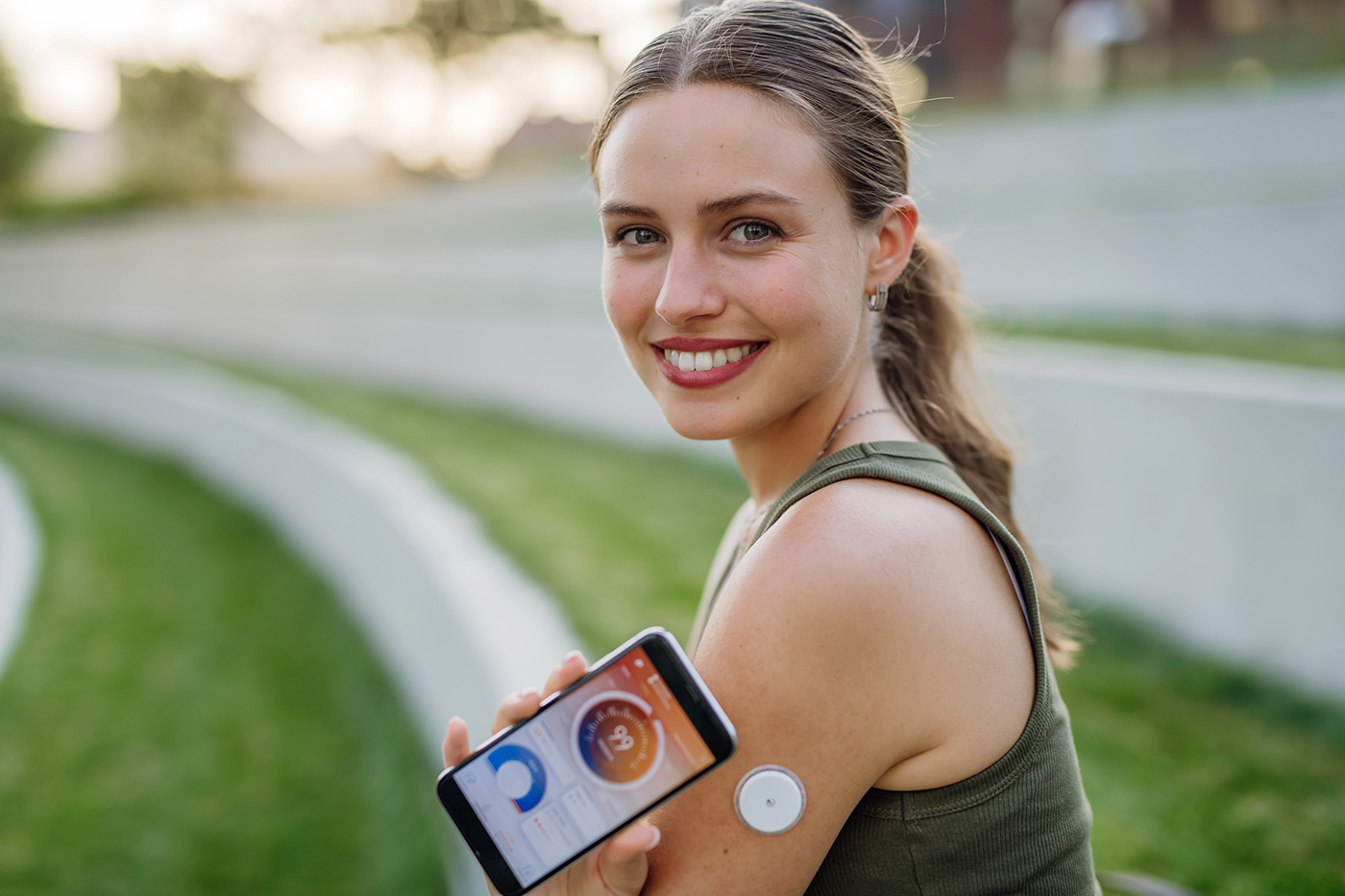
Blood Sugar: The Sneaky Root Cause of Everything
Blood sugar control is one of the most overlooked foundations of long-term health. From the heart and brain to hormones, immune function, and even mood, glucose stability plays a role in nearly every system in the body.
When blood sugar is balanced, energy is steady, focus is sharper, cravings are easier to manage, and the body is more resilient to stress. But when it’s dysregulated — whether through constant spikes, prolonged highs, or frequent crashes – it quietly drives inflammation, accelerates aging, and raises the risk for chronic disease.
And no, this isn’t just about “cutting carbs” or avoiding sugar. True blood sugar balance is about understanding the bigger metabolic picture, and using the right data to guide your strategy. Objective markers (“test don’t guess”) give you the information you need to make targeted, meaningful, and most importantly sustainable changes.
Why Blood Sugar Matters
Blood sugar is more than a number on a lab report—it’s a reflection of how well your body can manage and utilize energy. When this system falters, it affects far more than metabolism.
- Cardiometabolic health: Chronically high or unstable blood sugar is a major driver of insulin resistance, metabolic syndrome, hypertension, and car
- Cognitive health: The brain is highly sensitive to glucose fluctuations. Poor control is linked to brain fog, slower processing speed, and memory lapses. Over time, insulin resistance in the brain is associated with increased risk for neurodegenerative diseases, including dementia and Alzheimer’s.
- Mood and mental health: Blood sugar instability can worsen symptoms of depression, anxiety, and even ADHD and autism symptoms. Spikes and crashes in glucose affect neurotransmitter production and regulation, leading to irritability, poor focus, and greater emotional reactivity.
- Hormonal balance: Blood sugar instability can throw off cortisol rhythms, leading to a disrupted stress response and greater fatigue. It can also interfere with reproductive hormones, affecting menstrual regularity, ovulation, and symptoms of conditions like PCOS.
- Immune resilience: Frequent glucose spikes and crashes promote chronic, low-grade inflammation. This environment dampens the immune system’s ability to fight off infections and makes it more likely to overreact, po Elevated blood sugar can also impair white blood cell function, reducing the body’s ability to heal and recover.
Whether your goal is to improve energy, protect long-term brain health, or lower your cardiovascular risk, blood sugar optimization is one of the most powerful levers you can pull.
Labs and Data to Know
Balancing blood sugar starts with understanding where you are now. Symptoms alone—like fatigue, cravings, or brain fog—can point in the right direction, but objective data allows for targeted, effective strategies. This is why it’s important to test, not guess.
Core Labs (Standard in clinical screening and diagnosis)
These are the foundational tests most clinicians use to diagnose and monitor blood sugar–related conditions.
- Fasting Glucose – A single measurement of blood sugar after at least 8 hours without food. Used in diagnosing diabetes and prediabetes.
- Hemoglobin A1c (A1c) – Represents the average blood glucose over ~3 months by measuring the percentage of glycated hemoglobin. Useful for diagnosing and monitoring, but can miss short-term spikes and dips.
Advanced Labs
These are not standard, but provide useful insights. These markers can often help us identify metabolic dysfunction earlier, even before glucose or A1c become abnormal.
- Fasting Insulin – Measures baseline insulin production. Elevated fasting insulin can signal early insulin resistance well before fasting glucose rises – some studies estimate at least a decade earlier – making it a more sensitive early warning marker.
- Leptin – A hormone involved in appetite regulation and energy balance. Elevated leptin (leptin resistance) is often seen in metabolic dysfunction and can impair satiety signaling.
- Adiponectin – A hormone that improves insulin sensitivity and supports fat metabolism. Low adiponectin is linked to insulin resistance and higher cardiovascular risk.
- HOMA-IR – A calculated score from fasting glucose and insulin that estimates both insulin resistance and pancreatic beta-cell strain. This is an easy and simple way to detect insulin resistance significantly earlier than traditional fasting glucose or HbA1c tests. It provides crucial insight into metabolic dysfunction at an early, reversible stage—enabling proactive interventions to prevent progression to type 2 diabetes and cardiovascular complications..
Glycomark – Measures 1,5-anhydroglucitol, a marker that drops in response to post-meal glucose spikes. Unlike A1c, it’s highly sensitive to short-term fluctuations and is particularly useful for detecting high postprandial glucose that fasting labs can miss.
Functional Labs & Relevant Screening
Beyond glucose-specific markers, several other labs and assessments offer insight into systems that directly influence or are impacted by blood sugar control. This broader view helps identify hidden contributors to dysregulation and tailor interventions more precisely.
- Cortisol Curve & CAR (Cortisol Awakening Response) – Tracks daily cortisol patterns to evaluate the stress response. Chronic dysregulation can impair insulin sensitivity and promote visceral fat storage.
- Liver Enzymes (ALT, AST, GGT) – The liver manages glucose storage and release; elevations can indicate fatty liver or metabolic dysfunction, both closely tied to blood sugar control.
- Omega Index – Measures the ratio of omega-3 to omega-6 fatty acids in red blood cells. A higher index correlates with reduced inflammation and improved insulin sensitivity.
- Lipids – Triglycerides and HDL cholesterol are strong, indirect indicators of metabolic health. High triglycerides and low HDL often accompany insulin resistance; advanced lipid panels reveal particle size and number for deeper cardiovascular risk assessment.
- Nutrients – Vitamin D, magnesium (RBC Mg), zinc, and B vitamins (B6, B12, folate) are essential for glucose metabolism and insulin function. Deficiencies can worsen metabolic control.
Organic acid markers for B-vitamins – Homocysteine, methylmalonic acid (MMA), and FIGLU – provide functional insights on B12, folate, and B6 status that can impact energy metabolism, inflammation, and insulin signaling.
Biometric Tools:
- Continuous Glucose Monitor (CGM) – Tracks glucose in real time, showing patterns missed by static labs. More on CGMs below.
- Heart Rate Variability (HRV) – Reflects nervous system balance, which is closely tied to metabolic health.
- Sleep tracking – Poor sleep is both a cause and consequence of poor blood sugar regulation.
About CGMs (Continuous Glucose Monitors)
A continuous glucose monitor (CGM) is a small, wearable sensor that measures glucose levels in the fluid between your cells, 24 hours a day. Instead of a single reading from a blood draw, it creates a moving picture, capturing every rise, fall, and pattern in real time.
This means you can see exactly how your body responds to different foods, workouts, sleep quality, and even stress—insights that traditional labs often miss. Over time, these trends highlight what’s truly working for your metabolism and where small changes could have a big impact.
Originally designed for use by type 1 diabetics and type 2 diabetics requiring monitoring for insulin dosing, in recent years, use by non-diabetics for blood sugar optimization has grown. Some notable benefits include:
- Immediate feedback to identify food and lifestyle patterns that cause glucose spikes or dips.
- Helps connect symptoms (like fatigue, irritability, or cravings) to blood sugar fluctuations.
- Encourages sustainable changes through real-time behavior tracking.
A CGM can be one of the most powerful tools for understanding your unique glucose patterns and personalizing your nutrition, movement, and recovery strategies.
Learn more about using CGMs for targeted metabolic improvement in my Blood Sugar Mastery CGM Course →Learn more
Practical Support Strategies for Blood Sugar Optimization
Balancing blood sugar isn’t about overhauling your life overnight. Ideally, it’s about stacking simple, effective habits that work together to improve metabolic stability.
Diet Foundations
- Anchor each meal with protein + fiber to slow digestion, stabilize glucose, and support satiety.
- Add color “Eat the Rainbow” for antioxidants and phytonutrients that reduce inflammation. Read more about my Rainbow Program HERE.
- Keep meals balanced with healthy fats – especially those like olive oil, fish, avocados, nuts and seeds – to and slow-digesting, fiber-rich carbs.
💪🏽🌈Fast win: Join the 7-Day Rainbow + Protein Challenge for a practical way to build glucose-stabilizing meals into your routine.
Movement & Lifestyle
- Take post-meal walks to blunt glucose spikes.
- Add movement ‘snacks’—recent research shows that short bursts like bodyweight squats every hour can significantly improve blood sugar regulation.
- Include both HIIT and resistance training weekly to improve insulin sensitivity and build muscle.
- Prioritize sleep hygiene—7–9 hours per night helps keep cortisol in check and supports glucose control.
- Build consistent stress management practices, from breathwork to outdoor time, to improve hormonal balance and metabolic function.
Supplements
Nutrients and botanicals can play a powerful role in supporting healthy blood sugar regulation by improving insulin sensitivity, slowing carbohydrate absorption, reducing oxidative stress, or supporting the body’s ability to manage inflammation. While they work best alongside diet, movement, and lifestyle changes, targeted supplementation can help fill gaps and provide additional metabolic support.
Some of the most well-researched include:
- Magnesium – Essential for over 300 enzymatic reactions, including those involved in insulin signaling and glucose transport.
- Berberine – A plant alkaloid shown to activate key metabolic pathways that improves glucose uptake and utilization.
- Alpha-lipoic acid (ALA) – Potent antioxidant that enhances insulin sensitivity and protects against oxidative damage to cells.
- Omega-3 fatty acids – Reduce inflammation, improve lipid metabolism, and support insulin function.
- Vitamin D – Regulates genes involved in glucose metabolism and modulates immune responses linked to insulin resistance.
For a deeper dive into Top 12 Supplements for Blood Sugar – including dosage, best forms, and clinical research – read my full guide HERE,
The Bottom Line
Blood sugar balance boils down to creating a metabolic environment where your body can efficiently use and store energy, protect against inflammation, and support every major system from your heart to your brain. The right combination of diet, movement, lifestyle, and targeted supplementation can make a measurable difference.
Want to see exactly how your body responds in real time? Better, yet learn how to use that data to make smarter, more effective choices—consider running a short CGM trial. You’ll learn more in a few weeks than you might from years of guessing.
Join the Blood Sugar Mastery CGM Course →
References
- Chang CM, Hsieh CJ, Huang JC, Huang IC. Acute and chronic fluctuations in blood glucose levels can increase oxidative stress in type 2 diabetes mellitus. Acta Diabetol. 2012;49 Suppl 1:S171-S177. doi:10.1007/s00592-012-0398-x
- Matsubara M, Makino H, Washida K, et al. A Prospective Longitudinal Study on the Relationship Between Glucose Fluctuation and Cognitive Function in Type 2 Diabetes: PROPOSAL Study Protocol. Diabetes Ther. 2020;11(11):2729-2737. doi:10.1007/s13300-020-00916-9
- Yang W, Liu M, Tian Y, et al. The increased prevalence of depression and anxiety in T2DM patients associated with blood glucose fluctuation and sleep quality. BMC Endocr Disord. 2022;22(1):232. Published 2022 Sep 17. doi:10.1186/s12902-022-01147-8
- Vaidya RA, Desai S, Moitra P, et al. Hyperinsulinemia: an early biomarker of metabolic dysfunction. Front Clin Diabetes Healthc. 2023;4:1159664. Published 2023 May 2. doi:10.3389/fcdhc.2023.1159664
- Iglesies-Grau J, Garcia-Alvarez A, Oliva B, et al. Early insulin resistance in normoglycemic low-risk individuals is associated with subclinical atherosclerosis. Cardiovasc Diabetol. 2023;22(1):350. Published 2023 Dec 19. doi:10.1186/s12933-023-02090-1
- Buse JB, Freeman JL, Edelman SV, Jovanovic L, McGill JB. Serum 1,5-anhydroglucitol (GlycoMark ): a short-term glycemic marker. Diabetes Technol Ther. 2003;5(3):355-363. doi:10.1089/152091503765691839
- Dempsey PC, Larsen RN, Sethi P, et al. Benefits for Type 2 Diabetes of Interrupting Prolonged Sitting With Brief Bouts of Light Walking or Simple Resistance Activities. Diabetes Care. 2016;39(6):964-972. doi:10.2337/dc15-2336
- Zhang B, Pan Y, Xu L, et al. Berberine promotes glucose uptake and inhibits gluconeogenesis by inhibiting deacetylase SIRT3. Endocrine. 2018;62(3):576-587. doi:10.1007/s12020-018-1689-y
- Superti F, Russo R. Alpha-Lipoic Acid: Biological Mechanisms and Health Benefits. Antioxidants (Basel). 2024;13(10):1228. Published 2024 Oct 12. doi:10.3390/antiox13101228


Visceral Fat: The Hidden Risk Factor You Can Actually Target
Body composition tells us far more about metabolic health than weight or BMI ever could. Beyond the broad categories of fat mass and lean mass, one specific marker has an outsized impact on disease risk: visceral fat.
Unlike subcutaneous fat that sits under the skin, visceral fat accumulates deep in the abdominal cavity, wrapping around vital organs. It’s metabolically active in ways that can disrupt hormones, drive inflammation, and impair insulin sensitivity—even in people who appear lean.
Understanding visceral fat—and how it interacts with muscle mass—gives us a clearer, more actionable picture of health risk. It also shifts the focus from chasing an arbitrary weight to targeting specific, measurable changes that truly impact long-term health.
The Real Risk—Visceral Fat
Visceral fat is stored deep inside the abdominal cavity, surrounding organs like the liver, pancreas, and intestines. Unlike subcutaneous fat, which sits just under the skin, visceral fat is hidden and metabolically active — it influences hormone function, inflammation, and immune signaling in ways that can disrupt metabolic health.
It’s also the fat depot most strongly linked to chronic disease risk. Elevated visceral fat contributes to:
- Insulin resistance and impaired glucose tolerance
- Metabolic syndrome and type 2 diabetes
- Cardiovascular disease, hypertension, and cholesterol abnormalities
- Increased systemic inflammation
- Higher risk of cognitive decline and dementia
This is not just a concern for people in larger bodies. The so-called “skinny fat” phenomenon describes individuals with a normal BMI who still carry high levels of visceral fat, and face elevated metabolic risk. Conversely, some people classified as “overweight” may have relatively low visceral fat and higher muscle mass, which can be metabolically protective.
Muscle mass plays a critical role
Skeletal muscle is a major site for glucose uptake and storage, helping regulate blood sugar and improve insulin sensitivity. It also supports a higher resting metabolic rate, meaning more calories burned at rest, and releases myokines — signaling molecules that improve fat oxidation, glucose metabolism, and inflammation control.
In practical terms: more muscle generally means better metabolic flexibility and lower visceral fat risk.
Focusing on visceral fat and muscle mass together gives a much more accurate picture of metabolic health than weight or BMI alone—and creates clearer targets for meaningful intervention.
How to Track What Actually Matters
Measuring visceral fat and muscle mass used to require advanced imaging like CT or MRI scans — accurate, but costly and impractical for routine use. Now, accessible tools make it possible to estimate these markers in a clinic and now even at home!
Waist-to-Hip Ratio
One of the simplest ways to approximate visceral fat is by measuring your waist-to-hip ratio. A higher ratio indicates more abdominal fat, which often corresponds to higher visceral fat. Even without a tape measure, changes in how your clothes fit — especially around the waist — can be a practical indicator of progress.
Body Composition Scales
Consumer-grade devices like InBody, Tanita, or Etekcity can estimate visceral fat, muscle mass, and other metrics. Not all scales include visceral fat measurements, so it’s worth confirming before purchasing. While they’re not as precise as clinical imaging, they’re consistent enough for tracking trends over time.
Check out InBody H30 and get 15% off using this link
Professional Body Scans
Some healthcare offices and fitness facilities offer more advanced body composition assessments. These may include multi-frequency bioelectrical impedance, DEXA scans, or segmental muscle analysis, which provide more detailed insights into fat distribution and muscle balance.
Practical Tracking Tips:
- Pick your method and stick with it. Switching between devices or techniques makes it harder to compare results over time.
- Track at the same time of day. Morning, before eating or drinking, tends to give the most consistent results.
- Control for hydration. Dehydration or overhydration can skew bioelectrical impedance results, so best to be consistent with your hydration anyway — get my free guide here :)
- Pair objective data with subjective cues. Monitor how your clothes fit, your energy levels, and your exercise performance alongside scale or scan numbers.
- Look for trends, not single data points. Day-to-day fluctuations or even measurement errors are normal and happen. Don’t let it get to you; keep in mind that progress is measured over time.
- If you can’t get a scale that measures visceral fat, include waist circumference or waist-to-hip ratio. These remain simple, reliable indicators of metabolic risk.
It is worth repeating that there is no such thing as a perfect measurement, consistency and patterns over time are most helpful. Using the same tool, under similar conditions, at regular intervals builds a clearer picture of your progress towards improving muscle mass, lowering visceral fat, and ultimately better metabolic health.
What Actually Works for Reducing Visceral Fat
One of the unique things about visceral fat is that it’s the only type of fat that can be specifically reduced through targeted lifestyle changes. While ‘spot reduction’ isn’t possible for most fat depots, visceral fat is different, and in fact, responds more quickly to targeted interventions — independent of total weight loss.
1. Improve Diet Quality
- Prioritize protein and fiber to maintain lean muscle, regulate blood sugar, and support satiety.
- Eat the rainbow—colorful fruits and vegetables provide antioxidants that reduce inflammation and support metabolic health.
- Choose healthy fats from olive oil, nuts, seeds, avocados, and fatty fish; avoid trans fats altogether.
- Limit added sugars, refined carbs, and ultra-processed foods to reduce insulin resistance and central fat storage.
Looking for an easy place to start? Upgrade your breakfast → join the 7-Day Rainbow + Protein Challenge
7-Day Rainbow Protein Breakfast Challenge – fast win for glucose stability + consistency.
2. Train for Both Strength and Endurance
- Strength training builds muscle, which is protective against metabolic decline and helps reduce visceral fat over time.
- Aerobic exercise—150–300 minutes of moderate-intensity or 75–150 minutes of vigorous-intensity per week—lowers visceral fat even without total weight change. HIIT may provide additional benefits, especially for improved insulin sensitivity and weight loss, but the priority is consistent movement.
3. Sleep and Stress Matter
- Aim for 7–9 hours of quality sleep supports hormone regulation and reduce visceral fat risk.
- Chronic stress management—via mindfulness, yoga, breathwork, or other practices, helps lower cortisol, which can drive visceral fat accumulation.
4. Reduce Liquid Calories and Alcohol
- Limit alcohol intake, particularly binge patterns, which are strongly linked to visceral fat gain.
- Minimize or better still eliminate sugar-sweetened beverages, which promote abdominal fat through effects on insulin and appetite regulation.
5. Strategic Adjuncts
- Intermittent fasting can improve insulin sensitivity and fat oxidation for some individuals, but it’s not necessarily superior to consistent dietary improvements above.
- Pre- and probiotics may benefit visceral fat through gut microbiome improvements. However, it doesn’t seem to replace a foundational diet and lifestyle that is supportive of gut and microbiome health.
Sauna and cold exposure show promising early data but should complement—not replace—core habits. It is worth noting that cold plunges boost metabolic rate and may help with body fat reduction and improve insulin sensitivity — primarily via brown fat (known as brown adipose tissue [BAT]) activation.
The Bottom Line
Visceral fat is a powerful driver of metabolic risk that you can actively target and change. Focusing on diet quality, strength and endurance training, sleep, stress management, and smart adjuncts not only lowers visceral fat, but also builds the muscle and metabolic resilience that protect long-term health.
The goal isn’t to chase a lower scale weight. Instead, it’s to improve your body composition in ways that directly impact your risk for chronic disease, energy levels, and overall quality of life.
Ready to go deeper?
If you want to learn how to train your body to switch between fuel sources efficiently, regulate blood sugar, and protect metabolic health, join the Metabolic Flexibility Crash Course.
Explore the Metabolic Flexibility Crash Course →
References
- Lin S, Jensen MD. Human Adipose Tissue Metabolism in Obesity. J Obes Metab Syndr. 2025;34(2):105-119. doi:10.7570/jomes25025
- Sun Y, Lin X, Zou Z, et al. Association between visceral fat area and metabolic syndrome in individuals with normal body weight: insights from a Chinese health screening dataset. Lipids Health Dis. 2025;24(1):57. Published 2025 Feb 18. doi:10.1186/s12944-025-02482-0
- Richter EA, Bilan PJ, Klip A. A comprehensive view of muscle glucose uptake: regulation by insulin, contractile activity, and exercise. Physiol Rev. 2025;105(3):1867-1945. doi:10.1152/physrev.00033.2024
- Huang G, Pencina K, Li Z, et al. Effect of Protein Intake on Visceral Abdominal Fat and Metabolic Biomarkers in Older Men With Functional Limitations: Results From a Randomized Clinical Trial. J Gerontol A Biol Sci Med Sci. 2021;76(6):1084-1089. doi:10.1093/gerona/glab007
- Cavallo DN, Horino M, McCarthy WJ. Adult Intake of Minimally Processed Fruits and Vegetables: Associations with Cardiometabolic Disease Risk Factors. J Acad Nutr Diet. 2016;116(9):1387-1394. doi:10.1016/j.jand.2016.03.019
- Lehmann S, Retschlag U, Oberbach A, et al. Visceral fat mass dynamics in a 2-year randomized STrength versus ENdurance training trial in people with obesity. Diabetes Obes Metab. 2024;26(9):4087-4099. doi:10.1111/dom.15767
- Dutheil F, Lac G, Lesourd B, et al. Different modalities of exercise to reduce visceral fat mass and cardiovascular risk in metabolic syndrome: the RESOLVE randomized trial. Int J Cardiol. 2013;168(4):3634-3642. doi:10.1016/j.ijcard.2013.05.012
- Kazibwe R, Chevli PA, Evans JK, et al. Association Between Alcohol Consumption and Ectopic Fat in the Multi-Ethnic Study of Atherosclerosis. J Am Heart Assoc. 2023;12(18):e030470. doi:10.1161/JAHA.123.030470
- National Institutes of Health (NIH). Cool temperature alters human fat metabolism. NIH Research Matters. August 22, 2023. Accessed August 26, 2025. https://stagetestdomain3.nih.gov/news-events/nih-research-matters/cool-temperature-alters-human-fat-metabolism