
Why CGMs Aren’t Just for Diabetes Anymore (and How to Use Them Right)
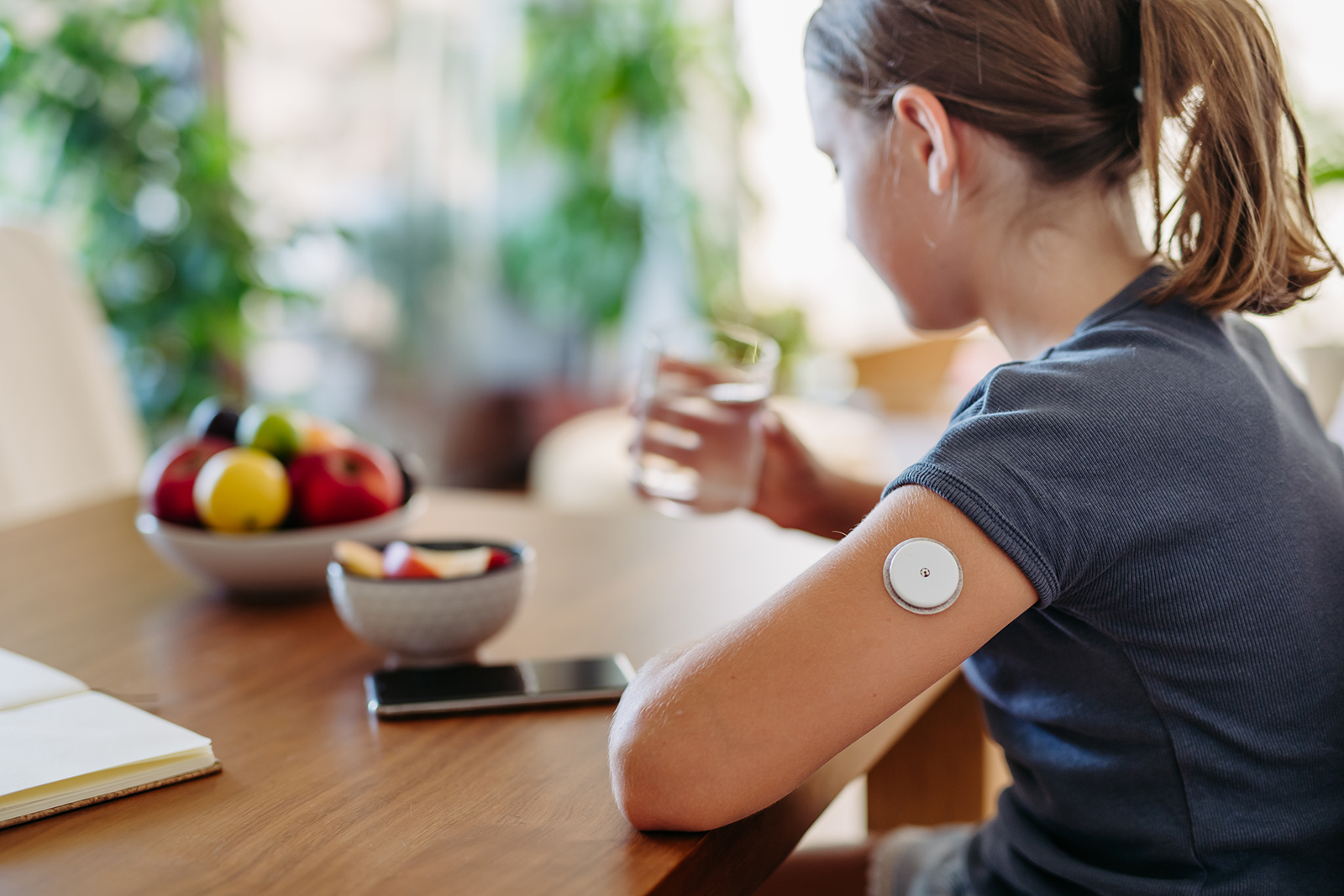
A continuous glucose monitor (CGM) is a small, wearable sensor that measures glucose levels in real time. Instead of getting a single fasting glucose reading at the doctor’s office, a CGM creates a continuous picture—tracking rises, dips, and patterns throughout the day and night.
Originally designed for people with insulin-dependent diabetes, CGMs have now caught the attention of health-conscious consumers, athletes, and clinicians interested in optimizing metabolic health.
The shift? Moving from a reactive medical tool to a proactive lifestyle and prevention tool.
From Diabetes Management to Mainstream Use (and the Debate)
CGMs were originally introduced in the early 2000s to help people with type 1 diabetes — and later type 2 diabetes — manage insulin dosing and prevent dangerous highs and lows. By offering real-time feedback, these devices transformed diabetes management.
Today, two main players dominate the market:
- Freestyle Libre
- Dexcom
Dexcom introduced Stelo, the first over-the-counter (OTC) continuous glucose monitor cleared by the FDA in March 2024 for non‑insulin using adults — both those with type 2 diabetes and people without diabetes.
Abbott followed with Lingo (for wellness-focused users) and Libre Rio (for adults with type 2 diabetes not on insulin), both cleared by the FDA for OTC use in June 2024.
How they work:
Each device typically lasts about 14 days (the new OTC devices are approved for 15 days) and connects to your phone for easy tracking. Some versions allow your clinician to view your data on a secure dashboard, and integrations — like with Stelo or Oura Ring — can overlay glucose with other biometric data such as sleep and recovery. This opens the door to deeper, more holistic health insights.
The controversy:
Some experts argue that CGMs risk “medicalizing” healthy people, creating unnecessary anxiety over normal fluctuations, especially if you’re not on insulin. There’s also a valid concern about misinterpretation without proper clinical context.
A good example is the widely spread belief—particularly on social media—that a completely flat glucose response is ideal. In reality, modest rises after eating are both normal and healthy; it’s excessive spikes or prolonged elevations that are problematic. Chasing an entirely flat line can lead to adopting unsustainable (and arguably dangerous) eating patterns that may cause more harm than good.
The counterpoints:
Used correctly, CGMs can do far more than track numbers; they can reveal the earliest signs of metabolic dysfunction, often years before standard labs would raise a flag. Furthermore, they give individuals a way to see how their unique physiology responds to real life:
- The foods they eat
- The workouts they do
- The sleep they get, and
- The stress they carry
That real-time feedback creates a powerful feedback loop — where small, strategic changes lead to measurable improvements you can see in days, not months. For many, that’s the difference between waiting until symptoms demand treatment and actively steering their health trajectory toward resilience and prevention.
Who Benefits Most
While CGMs were designed for people managing diabetes, their potential extends far beyond that group. In the right hands, they can be a powerful tool for anyone wanting to understand and improve their metabolic health, especially those in the following categories:
- People with signs of insulin resistance — Energy crashes, brain fog, weight changes, or poor workout recovery can all hint at glucose dysregulation. A CGM helps identify triggers and patterns.
- Individuals with elevated fasting glucose or A1c (prediabetes ranges or trending upward) — CGMs can reveal post‑meal spikes, dawn phenomenon, and timing effects so you can intervene earlier. If you have diabetes, CGMs can be valuable when used in partnership with your clinician; they’re standard of care for those on insulin.
- Those with a family history of metabolic or cardiovascular disease – If diabetes, heart disease, or metabolic syndrome runs in the family, early insights can be a proactive way to protect long-term health.
- Athletes and active individuals – Optimizing fueling, recovery, and performance requires knowing how your body responds to different training loads, nutrition strategies, and recovery protocols.
- Individuals managing inflammatory or autoimmune conditions – Blood sugar instability can exacerbate systemic inflammation and immune dysregulation. CGMs can help identify and stabilize patterns that may contribute to symptom flares.
- People with sleep or mood challenges – Glucose swings can impact sleep quality, stress resilience, mood regulation, and focus. Tracking these patterns can uncover links between blood sugar, rest, and emotional well-being.
Best Practices for using a CGM
Using a CGM for lifestyle and prevention is still in its early days. While the technology is promising, there are no universally accepted guidelines for non-diabetic use. That’s why working with a nutrition professional or clinician who understands metabolic health is so valuable — they can help you interpret patterns in context, avoid common missteps, and translate the numbers into practical strategies you can actually follow.
Remember, this isn’t about chasing a “perfect” glucose curve. It’s about using the data as one piece of your larger health picture—layered with other metrics, lab work, and your personal goals—to make changes that are sustainable and meaningful.
Practical Tips for using a CGM:
- Commit to at least 2–4 weeks. Wear the sensor long enough to capture your true baseline and see how different days, meals, and activities affect you. I suggest focusing on the first week for observation — avoid making big changes until you understand your natural patterns.
- Track beyond the numbers. Log food, sleep, mood, stress, workouts, and other symptoms in real time. These contextual notes are what make your CGM data actionable.
- Approach it with an experimental mindset. Think of your first CGM experience as a discovery phase—not a pass/fail test. Use it to explore how different choices affect your blood sugar, and resist the urge to “game” the data for perfection.
- Look for patterns, don’t obsess over specific points or readings. Our blood sugar is impacted by various factors and is a dynamic measurement. Single spikes or dips are normal; focus on recurring trends like large post-meal excursions, prolonged overnight elevations, or unusual variability.
- Integrate with other metrics. Pair CGM data with HRV, sleep tracking, lab work, and body composition analysis to connect the dots between glucose and overall metabolic health.
- Avoid overreacting. Remember: not all rises are “bad.” Normal glucose flexibility includes modest post-meal increases — especially with whole-food, nutrient-dense meals. The aim is stability and resilience, not a flatline.
Important Note: CGMs can be powerful tools for awareness and behavior change—but they aren’t for everyone. If you’re prone to anxiety over health data, or have a history of disordered eating, the constant feedback may be more stressful than helpful. In those cases, there are other effective ways to support blood sugar without round-the-clock tracking.
Bottom line
For many people, though, a short-term CGM trial—used in collaboration with a nutrition or health professional—can be eye-opening. It allows you to connect the dots between your daily choices and your metabolic responses, long before a standard lab might reveal a problem.
The value of a CGM isn’t in chasing a perfect number. Rather, the value of CGMs lies in using the insights to make sustainable, personalized changes that improve your energy, mood, and long-term health resilience.
Join my 4-Week CGM Program
If you’re ready to explore what your blood sugar is really doing—and learn how to use that information to your advantage—join my guided program:
Blood Sugar Mastery CGM Course →
⚠️ Disclaimer: This content is for educational purposes only and is not a substitute for personalized medical advice. Always consult a qualified healthcare provider before starting or changing any health-related program.
References
- Cleveland Clinic. Continuous Glucose Monitoring (CGM). Cleveland Clinic. Published June 20, 2023. Accessed September 13, 2025. https://my.clevelandclinic.org/health/articles/continuous-glucose-monitoring-cgm
- U.S. Food and Drug Administration. FDA clears first over-the-counter continuous glucose monitor. FDA. Published March 5, 2024. Accessed September 13, 2025. https://www.fda.gov/news-events/press-announcements/fda-clears-first-over-counter-continuous-glucose-monitor
- Berry SE, Valdes AM, Drew DA, et al. Human postprandial responses to food and potential for precision nutrition. Nat Med. 2020;26(6):964-973. doi:10.1038/s41591-020-0934-0
- Metwally AA, Perelman D, Park H, et al. Prediction of metabolic subphenotypes of type 2 diabetes via continuous glucose monitoring and machine learning. Nat Biomed Eng. 2025;9(8):1222-1239. doi:10.1038/s41551-024-01311-6
- Yang Y, Zhao LH, Li DD, et al. Association of sleep quality with glycemic variability assessed by flash glucose monitoring in patients with type 2 diabetes. Diabetol Metab Syndr. 2021;13(1):102. Published 2021 Sep 23. doi:10.1186/s13098-021-00720-w
