
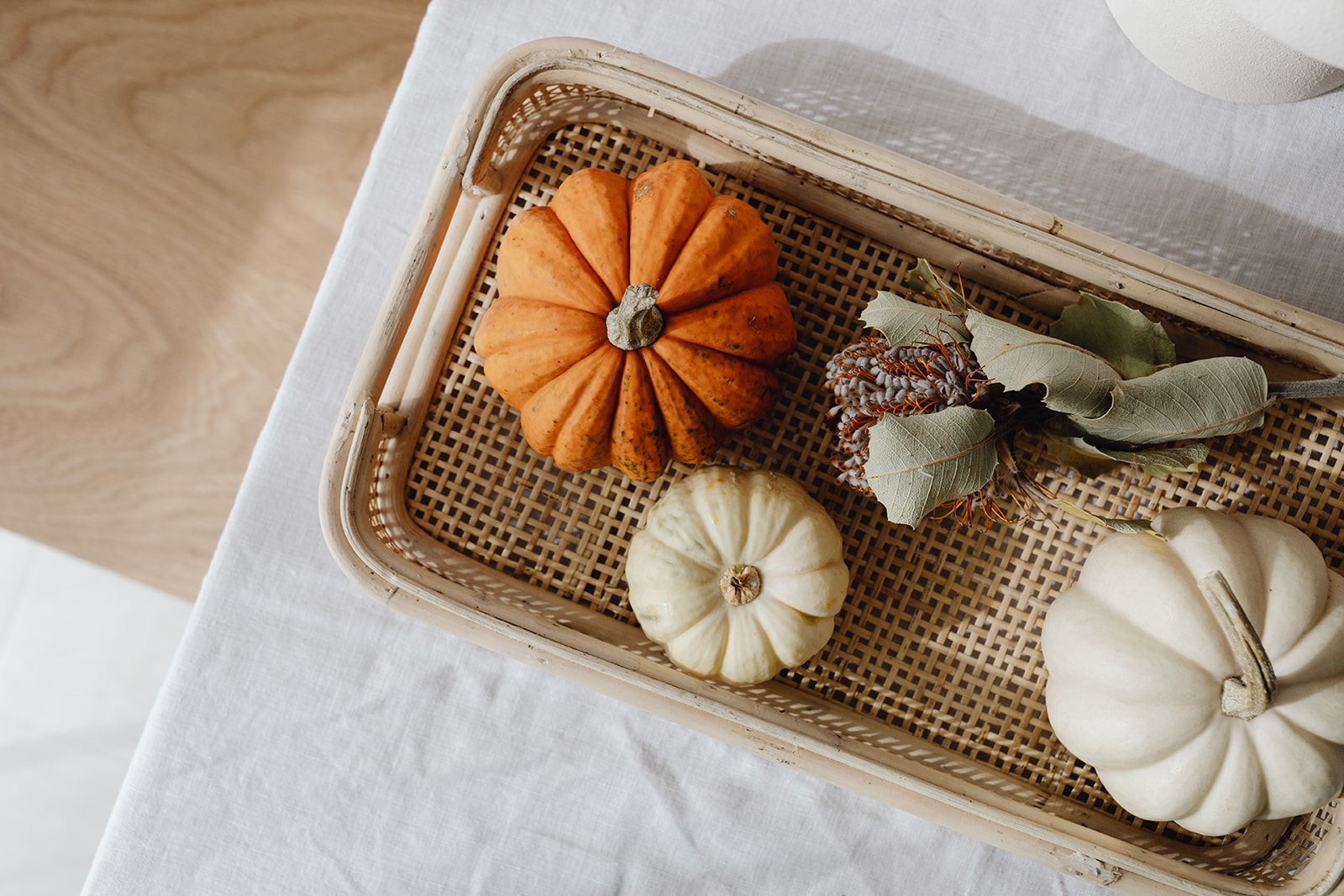
Fall Favorite: Pumpkin
Fall Favorite: Pumpkin
Though you might automatically think of lattes and Jack-o-lanterns, it’s in fact a seasonal favorite with more weight than just cultural tradition. Pumpkin is also also a nutritional powerhouse!
The orange squash is woven into the fabric of history and cuisine. It’s mentioned in literature, including Shakespeare’s reference to “pumpion” in The Merry Wives of Windsor and The Legend of Sleepy Hollow.
Native Americans roasted long strips of pumpkin over an open flame and ate them.
Colonists made pumpkin pie by slicing off the pumpkin top; removing the seeds; filling the rind with milk, spices, and honey; and then baking the pumpkin over hot ashes.
Pumpkin seeds are dried and salted to make a tasty snack.
And of course we can’t forget that the vibrant fruit (yes it’s a fruit! weird since we typically think of squash as a vegetable) is of course a staple in the Halloween decor department.
So in honor of October and pumpkin everything season, we’ll learn more about this seasonal favorite and the abundance of nutrients and its versatility in healthy meal preparation.
All About Pumpkin
A member of the Cucurbitaceae family (along with cucumber and squash), pumpkin is cultivated around the world for both its fleshy vibrant orange meat and seeds. It is a naturally low calorie (49 calories per one cup serving), yet full of filling fiber.
Health Benefits
- Pumpkin contains no saturated fats or cholesterol. It is rich in dietary fiber, antioxidants, minerals, and many antioxidant vitamins, including A, C, and E.
- It is also an excellent source of many natural polyphenolic flavonoid compounds such as beta-carotenes (which convert into vitamin A when activated in the body), lutein, and zeaxanthin (a natural antioxidant that may offer protection from age-related macular disease).
- Pumpkin is a good source of the B-complex group of vitamins including niacin, vitamin B-6 (pyridoxine), thiamin, and pantothenic acid.
- It is a rich source of copper, calcium, potassium, and phosphorus.
- Practically the whole fruit is edible. Pumpkin seeds provide dietary fiber and pack a powerful mix of protein, minerals, and vitamins: 100 g (1 cup) of pumpkin seeds provide 559 calories, 30 g of protein, plus folate, iron, niacin, selenium, and zinc.
Spiced Pumpkin Bread
Adapted from Bon Appétit Fast, Easy and Fresh cookbook
Yield: 2 loaves (cut ingredients in half for 1 loaf)
Preheat oven to 350°F
Butter and flour two 9x5x3 inch loaf pans
Ingredients:
- 1½ c. all-purpose flour (or gluten-free flour mix)
- 1½ c. whole wheat flour (or gluten-free flour mix)
- 1 tsp ground cloves
- 1 tsp ground cinnamon
- 1 tsp ground nutmeg
- 1 tsp baking soda
- ½ tsp salt
- ½ tsp baking powder
- 2 c. raw sugar (or raw honey)
- 1 c. sunflower oil
- 3 large eggs (room temp)
- 15 oz. (1 can) pure pumpkin (watch out for added sugar)
- 1 c. chopped walnuts (optional)
Directions:
Sift first eight ingredients into a large bowl. In second bowl, beat sugar and oil to blend, and then add eggs and pumpkin. Mix well. Stir dry ingredients into pumpkin mixture in two additions, just until blended. Add nuts, if you’re feeling nutty!
Divide between loaf pans. Bake approximately 1 hour 10 minutes, or until tester inserted into center comes out clean. Transfer to racks and cool in pans for 10 minutes. Cut around sides of pan with a knife to loosen. Turn loaves onto rack to cool, serve and enjoy!

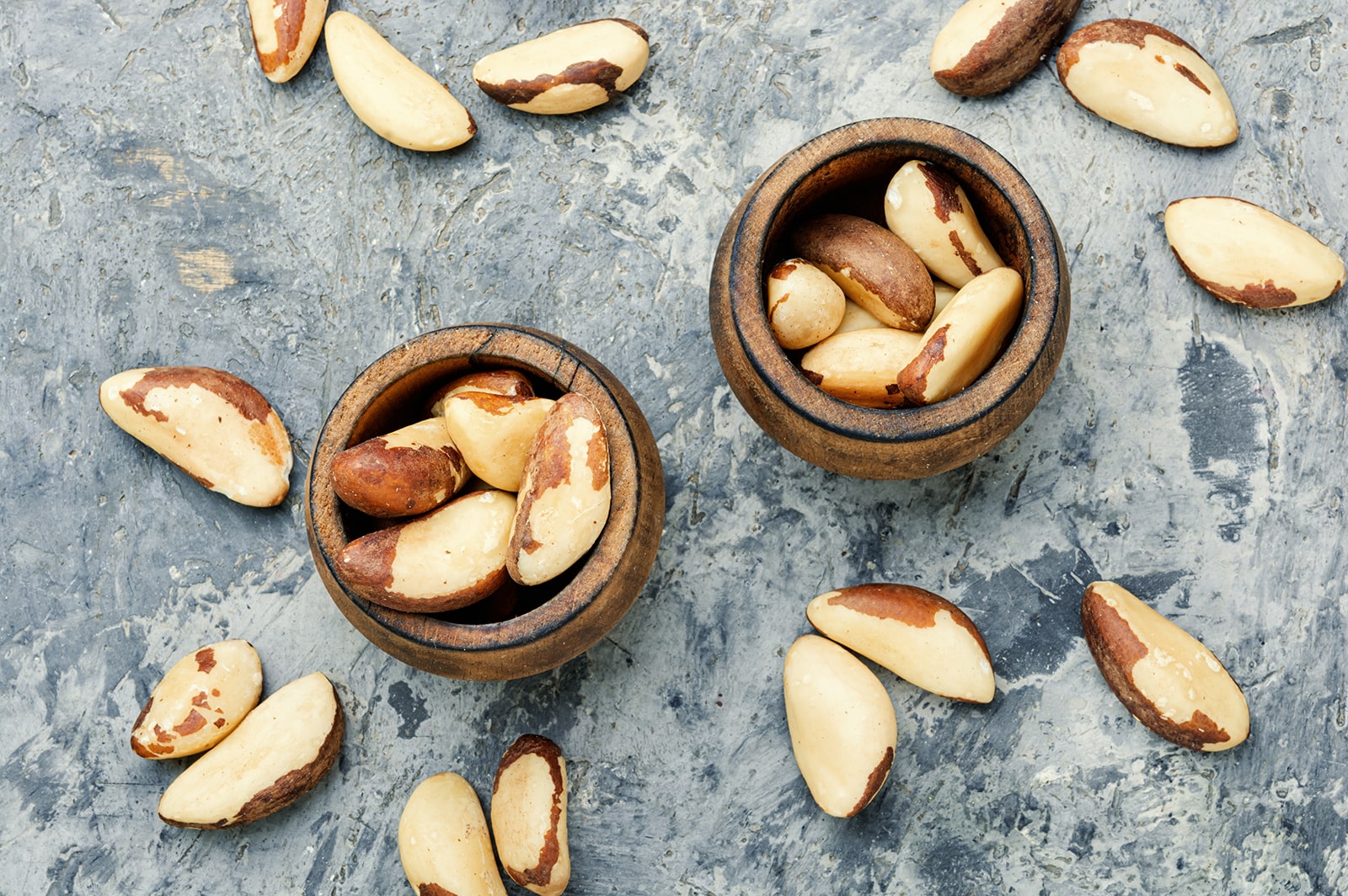
Brazil Nut Butter Recipe
Brazil Nuts
Brazil nuts are calorie and nutrient dense. High in mono- and polyunsaturated fats, including omega-6 fatty acids, a one-ounce (6-7 nuts) serving provides about 185 calories, 5 grams of protein, and a rich supply of magnesium, phosphorous, potassium, and selenium. In fact, Brazil nuts are the highest natural source of selenium (543 mcg in 1 oz.).
A potent micronutrient, scientific evidence to date suggests that selenium might play a role in the prevention or treatment of heart disease, cognitive decline, liver disease, some types of cancer, and thyroid disease. Selenium concentrations are highest in the thyroid gland, and it has a vital role in its function.
Just two Brazil nuts a day make it easy for most people to meet their daily selenium requirement. But it’s important to work with a clinical nutritionist to assess your individual need for selenium if you suspect a deficiency to ensure you’re getting the right amount.
Because it is possible to get too much selenium, The Institute of Medicine of the National Academy of Sciences advises a maximum limit of 45 mcg of selenium for kids and 400 mcg for adults daily. The best way to enjoy Brazil nuts is to combine a few with other types of nuts, seeds, and raisins. Sprinkle on salad, yogurt, or blend into a smoothie.
Brazil Nut Butter Recipe
Homemade nut butters is a great opportunity to enjoy these nutritious spreads without added sugar, salt, or preservatives often found in store-bought varieties.
Note: There is a 2 to 1 ratio of nuts to nut butter. To make 1 cup of nut butter, start with 2 cups of shelled nuts.
Ingredients:
- 2 cups organic raw nuts (feel free to mix it up, equal parts brazil, almond and cashew for example)
- Optional flavor add-ins (all to taste; opt for organic or locally sourced):
- Salt
- Stevia, local, raw honey, or grade A/B maple syrup
- Vanilla or almond extract
- Cocoa powder or cacao nibs*
- Puree of dried fruit or dried fruit bits* (apricot, raisin, cherry, cranberry)
*The former creates a smooth spread, the latter chunky.
Prep:
To make the nuts more digestible, soak and dehydrate the nuts to extract phytic acids (compounds that bind minerals). Before grinding, soak nuts in water and cover for 8-12 hours. Dehydrate about 10 hours.
(optional) To add a distinctive, warm flavor, toast the nuts before grinding. Toast nuts on a dry baking sheet at 400°F until nuts are fragrant and lightly browned, 5 to 10 minutes. Watch closely; nuts easily scorch. Nuts should be cool to the touch before grinding.
Equipment:
Food processor or high-speed blender (e.g., Vitamix).
Directions:
Place nuts into a food processor and start blending, leaving out the optional flavor add-ins. Blend for 11-12 minutes. You may need to grind at various speeds or intervals until you reach the consistency that meets your taste preferences. The nuts will go through several stages and you’ll need to keep pressing the contents into the center of the blender as you go through the process: The nuts will crumble, clump, ball, redistribute, and then finally … the oils will release, and you’ll have a nice spread.
Mix in your choice of flavor add-ins by hand. Nut butter keeps in the refrigerator for about a month.
Resources
- National Institutes of Health. “Selenium: Dietary Supplement Fact Sheet.” Accessed May 2015.
- National Institutes of Health. “Selenium: Fact Sheet for Consumers.” Accessed May 2015.
- Nutrition and You. “Brazil Nuts Nutrition Facts.” Accessed May 2015.
- Anton Health and Nutrition. “Homemade Nut Butter.“
- Radiant Life Company. “That’s Nuts! A Complete Guide to Soaking Nuts and Seeds.”

Healthy Hair, Skin, and Nails
Healthy Hair, Skin, and Nails: A Nutritional Approach
The condition of your hair, skin, and nails (AKA the integumentary system) are a reflection of your overall state of health. For example, they can be a diagnostic symptom when diagnosing thyroid deficiency since they share similar nutritional requirements. Aside from the aesthetic appeal, having thicker hair, stronger nails and bright, clear skin may actually be a sign that vitamin levels are sufficient for optimal biological function.
A variety of factors can affect their condition, including genetics, exposure to tobacco smoke, sun damage, medication and drug use, and of course, nutritional deficiencies. While eating a well-balanced diet is the best way to keep the integumentary system healthy, sometimes vitamins can be a helpful insurance policy. Vitamin supplementation can replenish depleted vitamin stores and support the biological processes that boost growth of hair, skin and nails while simultaneously helping to tame the symptoms of hypothyroidism.
Honestly, vitamin formulas for healthy hair, skin, and nails contain many of the same nutrients that your entire body needs for growth and maintenance of cells. That’s because if your body is deficient in key nutrients needed for biological function, it is reflected in poor the integumentary system health (weak nails, brittle hair, and dull skin, for example). When addressing Hair, skin, and nails specifically, we’re look at vitamins that support keratin production- a protein essential as a building block for the integumentary system- as well as supporting repair and regeneration of new cells.
Biotin & the mighty B vitamins
The B-complex (B12, B3, and B6) are vital for dozens of biological reactions, including for hair and skin growth. Biotin, also a B vitamin, is sometimes used to help reduce or prevent hair loss. Some people do not get enough biotin in their diet, resulting in a systemic deficiency. In such cases, research has shown taking biotin supplements may help alleviate hair thinning. Biotin-rich foods include peanut butter, eggs, avocados, legumes, and bananas.
Vitamin D
Vitamin D is important for hair follicle cycling. A large portion of the population reports low supoptimal vitamin D due to reduced sun exposure, use of sun block, reduced intake of certain Vit D rich foods, and geographical location (i.e. individuals who live in northern parts of the United States where sunlight is limited). Click here to read my blog on supplements, including vitamin D. Salmon, mushrooms, beef liver, and grains are great food sources of vitamin D.
Zinc
Zinc is a key trace mineral for hair growth, wound healing, healthy skin, and immune function. People who are under high stress, fighting chronic infection, elevated toxic load, sluggish thyroid or adrenal fatigue are at greater risk for zinc deficiency. Zinc-rich foods include red meat, oysters, lamb, turkey, pumpkin seeds, and chocolate.
Vitamins C
Vitamins C is a powerful water soluble antioxidant, helping reduce DNA and cellular damage and increase cell turnover (boosting growth!). It’s also a necessary component in collagen formation helping improve skin elasticity for more youthful appearance. Vitamin C rich foods include citrus fruits, strawberries, mango, broccoli, kale and bell peppers.
Vitamin E
Vitamins E is a powerful fat soluble antioxidant. Research has shown that it plays a major role in protecting cells from damage and supporting cellular regeneration- both of the integumentary system as well as for cardiovascular health. Good sources are seeds, dark green veggies, safflower oil, and citrus fruits.
Essential Fatty Acids
Omega-3 and omega-6 fats have been shown to reduce inflammation and support skin and scalp health. You can obtain essential fatty acids from eating cold-water fish such as mackerel, salmon, sardines, anchovies, tuna, pollock, or shrimp. However, these fish can contain high levels of heavy metals—which in turn can deplete your zinc stores (among other physiological stressors). Follow these guidelines for safer consumption. If you are averse to eating fish, or are vegan, flaxseed oil or algae oil are great alternatives.
Horsetail (Equisetum telmateia)
Horsetail is an herb with antibacterial properties as well as remineralizing effect. It is rich in flavonoids, potassium, and silicon, which are vital to the functioning of rapidly growing tissues such as skin and nails. It also has a key role in the synthesis of collagen.
Resources
- National Institutes of Health. Vitamin and Minerals Supplement Fact Sheets. Accessed May 2015.
- Szyszkowska, B., et al. “The Influence of Selected Ingredients of Dietary Supplements on Skin Condition.” Postȩpy Dermatologii i Alergologii 31, no. 3 (June 2014): 174–181.
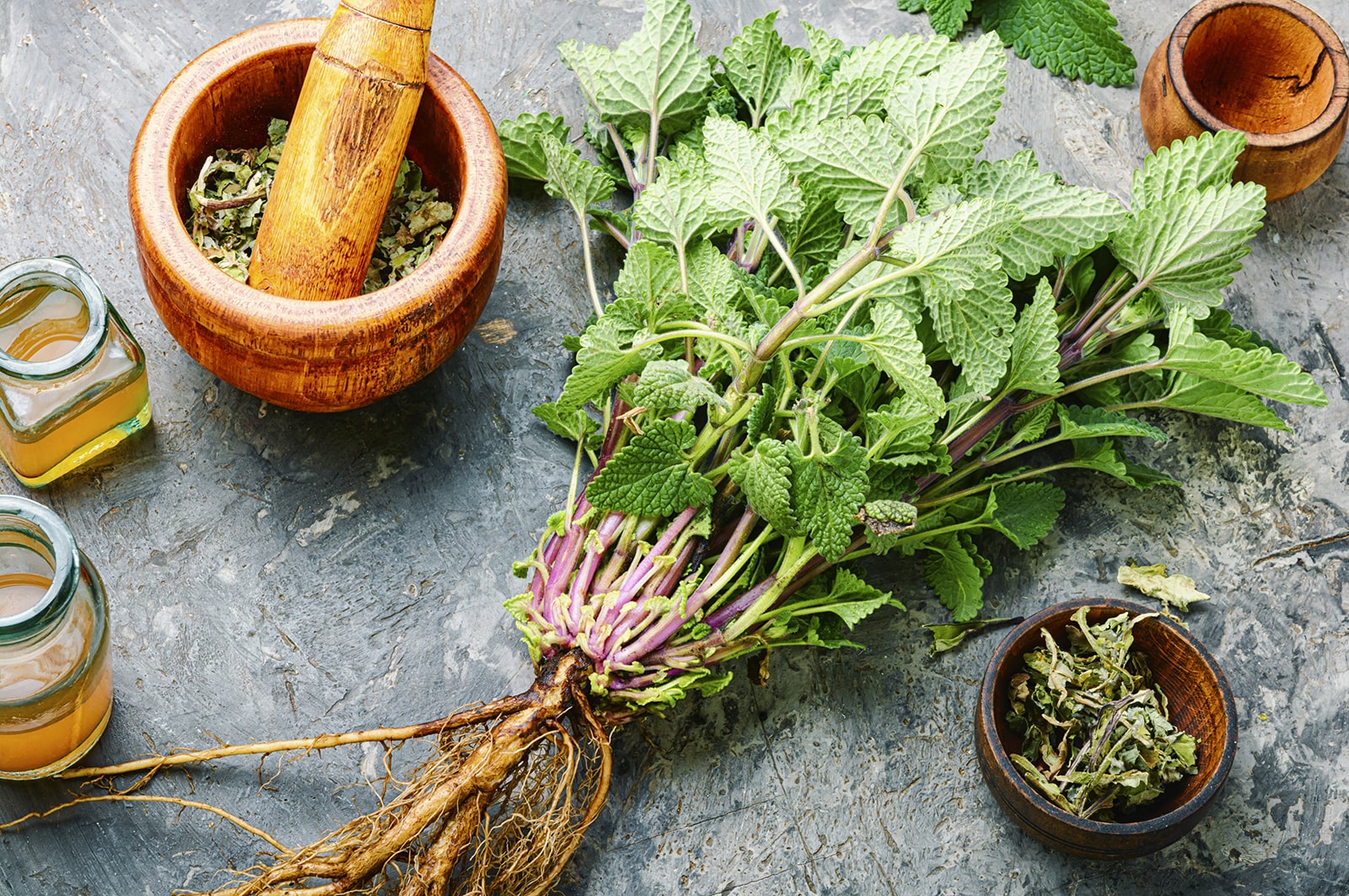
Lemon Balm (Melissa Officinalis)
Lemon Balm (Melissa Officinalis)
Native to Europe, lemon balm is grown all over the world. It is found in backyard herb gardens, in crops grown for medicine and cosmetics, and is used to scent candles and furniture polish. In the spring and summer, the flowers grow where the leaves meet the stem. If you rub your fingers on these leaves, your fingers will smell tart and sweet, like lemons. The leaves are similar in shape to mint leaves, and come from the same plant family.
As far back as the Middle Ages, lemon balm was used to soothe tension, to dress wounds, and to treat ailments such as toothaches, skin irritations, and sickness during pregnancy. As a medicinal plant, lemon balm is considered a calming herb that has traditionally been used to soothe menstrual cramps, reduce stress and anxiety, promote restful sleep, and ease gastrointestinal complaints (e.g., indigestion, gas, bloating, and colic). It is often combined with other herbs in teas or tinctures for relaxation, such as valerian and chamomile. Having trouble sleeping? Most research on lemon balm has shown that, when added to some sleep hygiene modifications, can be very beneficial for reducing insomnia.
In Europe, lemon balm has been used for treating thyroid problems and has shown an ability to regulate thyroid hormone production. It has been used in the U.S. as a complementary treatment for Graves’ disease, an autoimmune condition in which the thyroid gland is overactive.
Lemon balm may be formulated as a tea, tincture, or cream/ointment. Herbs do interact with other medicines and should not be taken without consulting your wellness practitioner for appropriate dosing.
Resources
- Restorative Medicine. Database Search: Lemon Balm and Thyroid Disease.
- University of Maryland Medical Center. “Hyperthyroidism.” Reviewed April 4, 2012.
- General Herb Information, The Herb Society of America. “Guide to Lemon Balm.”
- University of Maryland Medical Center. “Lemon Balm.”
Optimizing Thyroid Function
Optimizing Thyroid Function
It might be tiny, but thyroid gland is powerful! According to the American Thyroid Association, an estimated 20 million Americans have some form of thyroid disease. What’s even more staggering, is that up to 60% of those with a thyroid condition are unaware of it!
Located just below your Adam’s apple, in the middle of the lower neck, is a butterfly shaped gland responsible for the regulation of your inner state of balance (also referred to as homeostasis). There are generally three categories of malfunction: Hyperthyroidism, hypothyroidism, and autoimmune disease. The effects of malfunctioning (either over or under active) thyroid can manifest in various ways:
- Sluggishness, fatigue and difficulty getting things done
- Weight gain
- Difficulty concentrating
- Elevated LDL (that’s the bad cholesterol)
- Irritability, anxiety, and/or rapid heart beat
Let’s take a minute to find out more about what the thyroid does, how to know if there’s a problem, and most importantly optimizing thyroid function.
Thyroid Function Overview
The thyroid is part of the endocrine system, which includes the pituitary gland, hypothalamus, thymus, pineal gland, testes, ovaries, adrenal glands, parathyroid, and pancreas. It makes hormones, primarily T3 and T4 but has effects on production of other hormones as well. Hormones travel through your bloodstream and regulate your metabolism, brain and heart function, and reproductive and menstrual cycles.
When the thyroid is not functioning properly, a chain reaction of hormonal events takes place that involves many other glands/hormones of the endocrine system and the bodily systems they regulate. The end result is one of two primary types of health conditions: hyperthyroidism or hypothyroidism. (Autoimmune disease often results in either hypo- or hyper- function)
Hyperthyroidism results when the thyroid is overactive. Think of hyperthyroidism like a butterfly that can’t stop fluttering its wings. Everything is on overdrive, including metabolism, frequency of bowels, emotions (anxiousness), increased sweating, and for women, very light menstruation or cessation of the menstrual cycle. Symptoms often include feeling hot and difficulty maintaining a healthy weight. There are also bouts of exhaustion from trying to maintain this intense state of arousal and it often puts the adrenal glands on overdrive.
Hypothyroidism results when the thyroid is underactive. This is more common condition of the two. In this case, the butterfly just can’t get its wings to get going. Weight gained, sluggishness, and brittle hair and nails are very common symptoms. These are also often accompanied by feeling cold and tired, depressed, and often suffering from constipation. Menstruation for women with hypothyroidism is often irregular and heavy.
5 Ways for Optimizing Thyroid Function Naturally
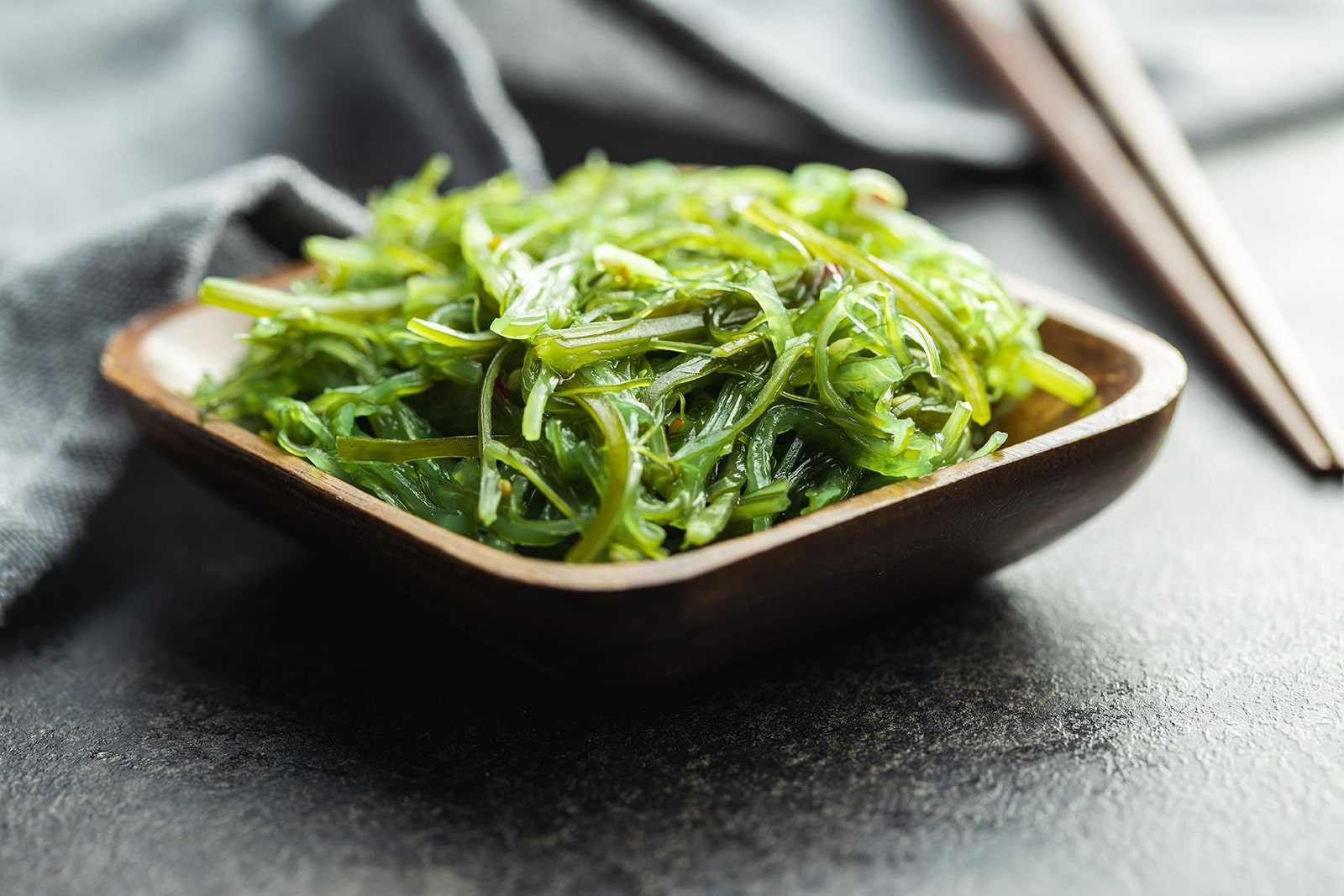
- Eat from the sea. The sea provides many natural sources of iodine, a building block of the thyroid hormone. Table salt has a high concentration of iodine because it’s been fortified, but it can also raise blood pressure. Sea salt is also a good source of natural iodine, but should also be used sparingly if you are having water retention issues or concerned about hypertension. Instead, you may choose to opt for saltwater fish, or seaweed. Cod and halibut are high in selenium, which protects the thyroid gland during periods of stress and helps regulate hormone synthesis. Fish oil provides essential fatty acids that reduce inflammation, which plays a role in causing autoimmune diseases.
- Eat from the earth. Eat foods high in B vitamins, which are precursors to thyroid hormones and influence cell energy. Balance your diet with poultry, nuts and seeds, legumes, and whole grains (avoid refined grains* like bread and cereals). Red meat provides iron, zinc, magnesium, and other minerals essential for thyroid hormone function, and the health of other bodily systems affected by thyroid disorders (skin, hair, metabolism).
- Relax. A daily relaxation practice, such as just 10 minutes a day of silence, deep breathing, or meditation can make a big difference in the state of mind and as a result, the body.
- Move! Exercise at least 30 minutes a day. Yoga is particularly good for thyroid health, including poses such as butterfly, fish pose, shoulder stand, and child’s pose. Not the yoga type? No problem! Any exercise, as long as you’re consistent, can be beneficial.
- Get supplement-al insurance. Our diets aren’t always perfect, so supplementing with a vitamin/mineral or botanical (herb) regimen can provide extra insurance against exposure to stress, toxins, and perhaps your own family history. Confused about what nutraceutical product is best for you? Talk to a nutritionist or someone qualified to evaluate your need and give appropriate recommendations. (email me to find out about the Supplement Overhaul).
*A note on refined grains: Flour is often fortified with bromine, an element that resembles iodine. Unfortunately, when ingested bromine often replaces iodine in the thyroid, causing the thyroid to under-perform. You can find “unbrominated flour” products, but in general this is yet another good reason to avoid refined carbohydrates, and stick to whole grains.
If you suspect a thyroid condition, talk with your wellness provider right away. There are a variety of tests that can help your doctor and clinical nutritionist create an appropriate and integrative treatment plan for optimizing thyroid function and re-balancing your hormones.
Resources:
- American Thyroid Association. “General Information/Press Room.” Retrieved July 1, 2015, from http://www.thyroid.org/media-main/about-hypothyroidism/
- American Association of Naturopathic Physicians. “Natural Therapies for Hypothyroidism.” October 11, 2013. http://www.naturopathic.org/blog_home.asp?Display=1452
- American Thyroid Association. ATA Patient Education Web Brochures. Accessed May 2015. http://www.thyroid.org/patient-thyroid-information/ata-patient-education-web-brochures/
- Hormone Health Network. “Your Thyroid: What You Need to Know.” Accessed May 2015. http://www.hormone.org/~/media/Hormone/Files/Infographics/Thyroid%20low%20res%20EN.pdf
- Women to Women. “Alternative Hypothyroidism Treatment.” Accessed May 2015. https://www.womentowomen.com/thyroid-health/alternative-hypothyroidism-treatment-2/
Calendula (Marigold) and Oil Pulling
Calendula (Calendula offcinalis) AKA Marigold
You probably recognize the flower, since it’s quite popular and grows easily in many parts of the world. But what you might not realize is how powerful this plant is as a medicinal herb.
The phytochemical components of this plant contribute to the wide variety of action. They include trepenoids, flavenoids, carotenoids, and volatile oils, among others. These contribute to a wide variety of activity that makes calendula a perfect herb for healing certain infections, inflammation, cuts, bruises, sprains, and strains.
Uses for Calendula:
- Anti-fungal and anti-bacterial, especially useful for acne, periodontal bacteria, and against various forms of Candida overgrowth.
- Anti-viral activity, research has linked calendula to suppressing herpes simplex and influenza.
- Anti-inflammatory useful for topical inflammation and swelling, as well as a systemic inflammation with activity comparable to NSAIDs (medications like ibuprofen or naproxen).
- Immune-stimulation and anti-cancer activity. Studies have shown that phytochemical extracts from calendula are effective in boosting certain parts of immunity while inhibiting tumor growth.
- Antioxidant activity, especially useful for wound healing or improving skin healing and texture.
- Useful topically as a balm for inflammation due to sprains, strains or bruising.
Oil Pulling and Calendula
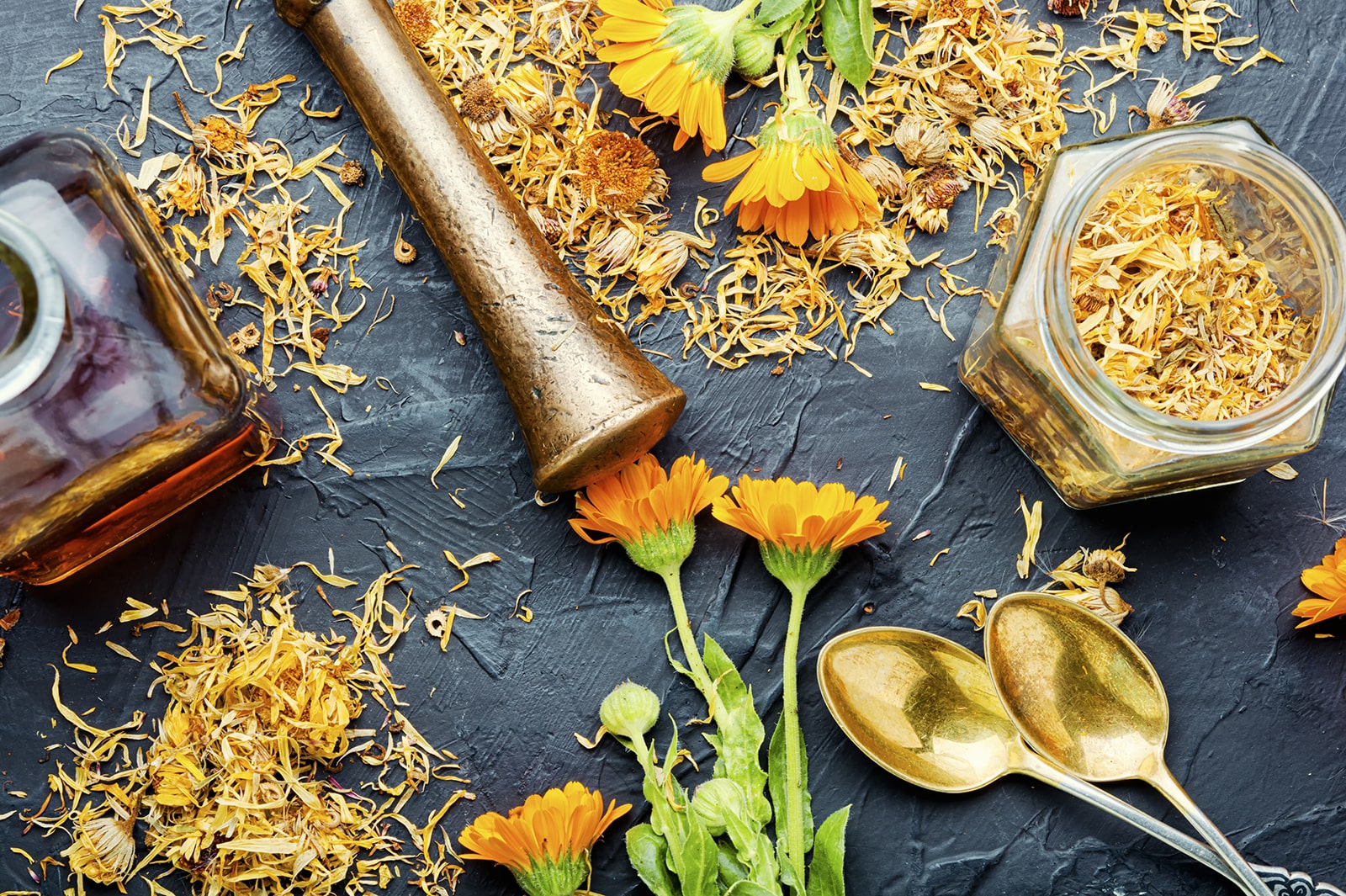
I decided to experiment by making my own oil extract of calendula (pictured above) with the intention of using the end product for oil pulling.
Oil pulling is an Ayurvedic technique shown to be effective for improving oral health and preventing gum disease and cavities. The antiseptic properties of calendula oil enhance the effectiveness of the practice.
How to Enhance Oil Pulling with Calendula:
- Use about 5-10ml (1-2 teaspoonfuls) of oil to swish in your mouth. Coconut oil is a great option for this, as is sesame oil or grape seed oil.
- Ideally you want to swish for 20 minutes. This might be challenging at first, so I recommending starting small with 5 (or even 3 minutes) and building up slowly.
- Do not swallow! You just spent 20 minutes extracting bacteria, toxins, plaque, and whatever else was living in your mouth, don’t swallow it and let it back in. Spit it out (might be a good idea to spit into the trash to avoid clogging your sink.
- Brush your teeth, preferably with natural toothpaste. Luckily there are some great options out there in health food stores or Whole Foods. You can also try making your own.
You can make an oil infusion with Calendula to boost the benefit of antiseptic properties of the herb. There’s various mathods for making the oil preparation, the simplest being a slow diffusion:
- Grind whole calendula flowers, either in a herb grinder or using a mortar and pestle.
- Using a high quality oil (sesame or olive oil would work well here), preferable cold pressed and unrefined, pour enough oil to cover the herb, then add more so that there’s about ¼ inch more oil than herb.
- Allow to sit in a glass container, protected from light for about 10 days. Shake occasionally. You may leave in the sun to help speed the infusion process.
- You can add a few drops of essential oil like tea tree or peppermint, or cinnamon oil for added benefits and flavor.
Alternatively, there’s some calendula infused oils available at most health food stores or online.
Resources
Muley, B., Khadabadi, S., & Banarase, N. (2009). Phytochemical Constituents and Pharmacological Activities of Calendula officinalis Linn (Asteraceae): A Review. Tropical Journal of Pharmaceutical Research Trop. J. Pharm Res.
Ehrlich, S. (2013, March 3). Calendula. Retrieved May 28, 2015, from http://umm.edu/health/medical/altmed/herb/calendula
Plants Profile for Calendula officinalis (pot marigold). (n.d.). Retrieved May 28, 2015, from http://plants.usda.gov/core/profile?symbol=caof
How to use Oil Pulling to Improve Oral Health. (2013, January 15). Retrieved May 28, 2015, from http://wellnessmama.com/7866/oil-pulling-for-oral-health/

Chicken Stock: Slow-Cooker Bone Broth Recipe
Slow-Cooker Chicken Broth Recipe
Chicken broth has been used for generations as a traditional cure-all remedy- known for building strength, energy and immunity. There’s a reason that grandma’s chicken soup seemed to be magic! Turns out the collagen and mineral content in traditionally made broth actually helps fortify bones, teeth and even helps heel the gut and boost our immune producing power.
As always, I recommend organic chicken for this recipe. And, whenever possible, use organic or locally sourced produce for the other ingredients.
Yields: 3 quarts
Prep time: 20 minutes
Cook time: 14 hours 30 minutes
Ingredients:
- 3 pounds bone-in chicken parts and gizzards
- 12 cups filtered water
- 1 tablespoon apple cider vinegar
- 1 yellow onion, peeled and quartered
- 3 large carrots, cut into large dice
- 4 cloves garlic, smashed
- 2 stalks celery with leaves
- 2 bay leaves
- 1 teaspoon sea salt
- 1/2 teaspoon cracked black pepper
- 1 bunch fresh parsley
Directions:
Place the water and chicken parts in a slow cooker and cook on high for 2 hours. Skim off any foam from the surface and remove the chicken. Shred the meat off the bones, and set the meat aside. Return the bones to the pot.
Reduce slow cooker to low. Add all the remaining ingredients, except the parsley, to the pot and cook on low for 12 hours or on high for 6 hours. Turn off the pot, skim the fat off the top, stir in the parsley, and cover for 30 minutes.
Strain the broth through a fine-mesh sieve or cheesecloth. Store in the refrigerator or freezer for later use. You may scoop off any solidified fat before using.
Source: Danielle Walker, AgainstAllGrain.com
Oil Pulling
Oil Pulling
Oil pulling, also known as “kavala” or “gundusha,” is an ancient Ayurvedic dental technique that involves swishing a tablespoon of oil in your mouth on an empty stomach for around 20 minutes. This action is believed to draw out toxins in your body, primarily to improve oral health, but also to improve your overall health.
It might be an ancient health practice, but oil pulling is getting the attention of modern science. Recent studies show that oil pulling helps heal gingivitis, control plaque, and reduce microorganisms that cause bad breath. In a recent WebMD article, Jessica T. Emery, DMD, explains, “Most microorganisms inhabiting the mouth consist of a single cell. Cells are covered with a lipid, or fatty, membrane, which is the cell’s skin. When these cells come into contact with oil, a fat, they naturally adhere to each other.”
Incorporating Oil Pulling into Your Dental Health Routine
- Oil pulling traditionally has used sesame oil, but sunflower and coconut oil are very good to use. Coconut oil in particular has the extra benefit of antimicrobial properties, and may also be more palatable for some people.
- Start with five minutes a day; build up to 20 minutes daily. Swishing with oil is an unusual sensation— from personal experience I can tell you, it will take some time to get used to it. Start with five minutes of daily swishing and increase by one or two minutes daily till you get to twenty.
- Use small amounts of oil. You don’t need a big mouthful for oil pulling to be beneficial. If you find you are swallowing oil (which you should not do), then spit it out and use a smaller amount.
- Continue routine dental care. Oil pulling should not replace routine dental hygiene. Continue to brush, floss, and use mouthwash daily.
Interested in making an antiseptic oil at home? Check out how I use Calendula flower to enhance the benefits of oil pulling.
Resources
Singh, A., and B. Purohit. Tooth Brushing, Oil Pulling, and Tissue Regeneration: A Review of Holistic Approaches to Oral Health. Journal of Ayurveda and Integrative Medicine 2, no. 2 (April 2011): 64–68. doi:10.4103/0975-9476.82525.
WebMD. Should You Try Oil Pulling? Reviewed June 4, 2014. http://www.webmd.com/oral-health/features/oil-pulling
Minerals
Minerals
Minerals are important nutrients in your diet that help the body maintain good health and resist infection—including the mouth and teeth. Minerals are inorganic elements that come from the earth, soil, and water and are absorbed by plants. Animals and humans absorb minerals from the plants they eat.
There are two kinds of minerals—macrominerals and trace minerals—that your body uses within its cells for many different jobs.
Macrominerals are required in larger amounts and are necessary for processes such as building bones, making hormones, contracting muscles, and regulating your heartbeat. They also play a role in brain function. Macrominerals include calcium, phosphorus, magnesium, sodium, potassium, chloride, and sulfur.
Trace minerals, including iron, manganese, copper, iodine, zinc, cobalt, fluoride, and selenium, are needed in much smaller quantities.
Consuming too much or too little of any mineral can have negative effects on health. For most people in good health, a safe range for consumption of minerals has been established (see Resources below). Personal variation comes into play depending on one’s lifestyle, genetics, environment, history of illness, and dietary restrictions.
Conventional wisdom dictates that the best way to get the minerals (and vitamins) your body needs is to eat a balanced diet that includes a wide variety of foods. However, recent research shows that while the vitamin content of food remains relatively stable over time, mineral content is becoming depleted. There are many reasons for this; erosion, farming practices, pollution, and even the way we cook can affect the nutrient density of both conventionally and organically harvested foods. As a result, along with my colleagues, I often recommend mineral supplementation even for someone eating the healthiest diet possible.
Resources
Bionutrient Food Association http://bionutrient.org
Human Performance Resource Center “Food Sources of Minerals.” http://hprc-online.org/nutrition/warfighter-nutrition-guide-chapter-9-1/Food%20Sources%20of%20Minerals.pdf
Recommended Intake and Functions of Minerals http://hprc-online.org/nutrition/warfighter-nutrition-guide-chapter-9-1/Food%20Sources%20of%20Minerals.pdf
Linus Pauling Institute at Oregon State University http://lpi.oregonstate.edu/mic/minerals
References
- Coulston, A., C. Boushey, and M.G. Ferruzzi, eds. Nutrition in the Prevention and Treatment of Disease. Oxford: Academic Press, 2013.
- Davis, D.R. “Declining Fruit and Vegetable Nutrient Composition: What Is the Evidence?” HortScience 44, no. 1 (February 2009): 15-19.
- Foundation for Alternative and Integrative Medicine. “Sustainable Agriculture and Nutrient Dense Foods.” Accessed March 2015. http://www.faim.org/agriculture/
- Kabata-Pendias, A. Trace Elements in Soils and Plants. Boca Raton: CRC Press, 2011.
- Marler, J.B., and J. Wallin. “Human Health, the Nutritional Quality of Harvested Food and Sustainable Farming Systems.” Nutrition Security Institute White Paper. Bellevue: WA, 2006. http://www.nutritionsecurity.org/PDF/NSI_White%20Paper_Web.pdf
- Thomas, D. “A Study on the Mineral Depletion of the Foods Available to Us as a Nation over the Period 1940 to 1991.” Nutrition and Health 17, no. 2 (April 2003): 85-115.
Triphala for Colon Health
Triphala For Colon Health
Constipation and improper elimination seem to be a common issue I see in many of my clients. As a result, many ask for a natural solution. Some may turn to ongoing magnesium supplementation; foods known to move the bowels, such as prunes; and herbs, such as cascara and senna.
Even though they are natural, it’s important to note that there are some potential harmful effects of using cascara and senna on an ongoing basis, as they do not address the cause of constipation. Considered “natural laxatives,” they can create dependence and disrupt peristalsis (the natural contractions of the bowel).
Instead, I often recommend an herbal formula that can be very helpful to relieve constipation and restore normal bowel function over time: Triphala.
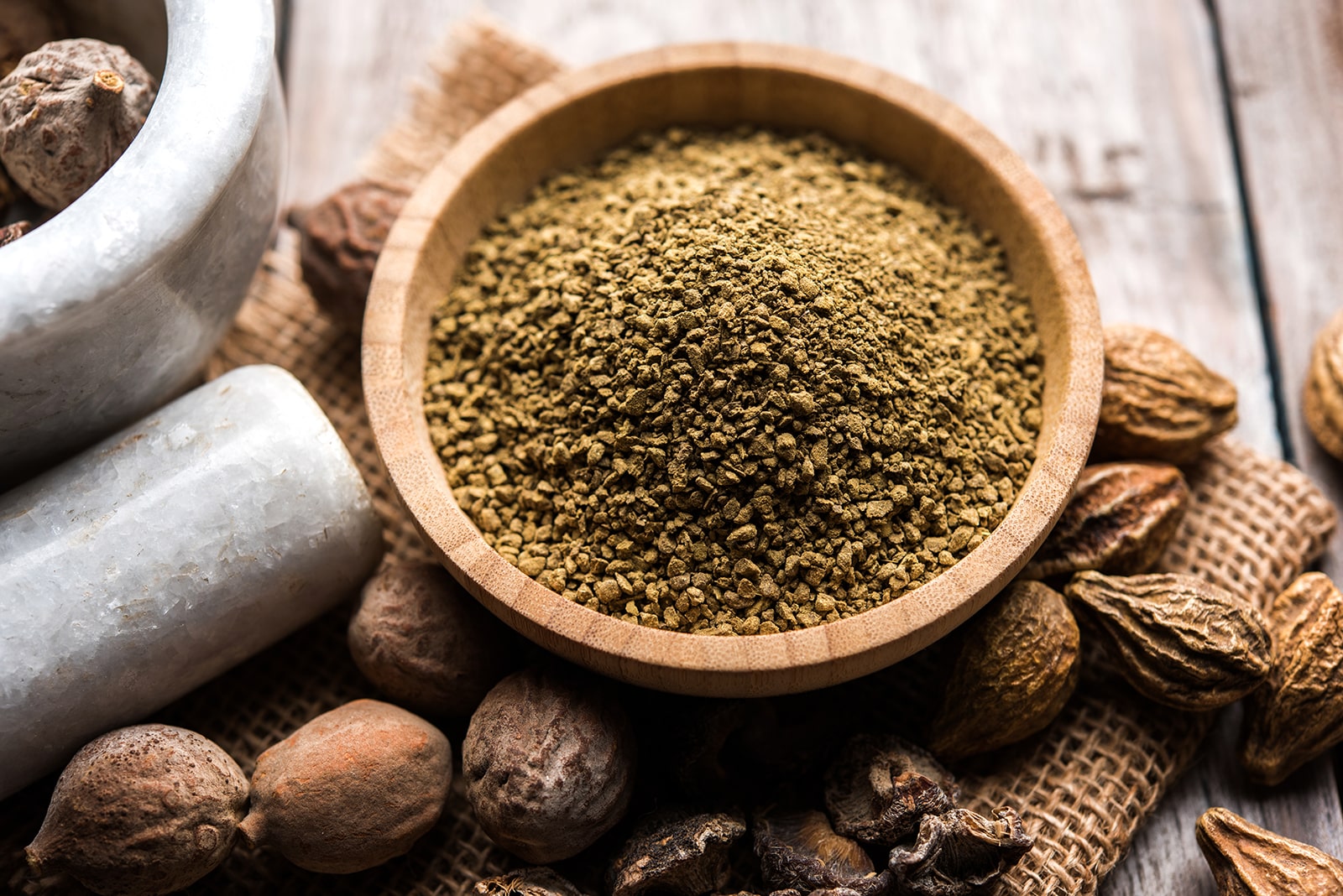
This is an Ayurvedic formula made of three herbs: Amalaki (Emblica officinalis), Bibhitaki (Terminalia bellirica), and Haritaki (Terminalia chebula). High in vitamin C, linoleic oil, and other nutrients, Triphala offers nutritional benefits, as well as blood and liver cleansing actions. It contains some anthraquinones that help to stimulate bile flow and peristalsis.
There’s also plenty of scientific research and clinical reports demonstrating that Triphala is an effective blood purifier that stimulates bile secretion as it detoxifies the liver, helps digestion and assimilation, and significantly reduces serum cholesterol and lipid levels throughout the body. As a result, it is regarded as a kind of universal panacea and is one of the most commonly prescribed herbal formulas in India.
As always, addressing the root cause of improper elimination is first and foremost. I also usually recommend keeping the magnesium (glycenate or citrate) supplement. Most people are deficient in this very important mineral anyway, and this may be contributing to the problem. In fact lifestyle and diet can play big role in digestive health and proper elimination. (Learn more about the link between elimination and health here).
If constipation is a chronic issue for you, it might be the right time to address it as part of your overall health. Though there are variations in what is considered “normal” from person to person, it’s not a topic that that should be avoided. Maybe it’s time to discuss the best strategy for you with your a qualified healthcare practitioner knowledgeable in this area, like a nutritionist, Ayurvedic practitioner or acupuncturist.
Resources
- Gowda, D.V., G. Muguli, P.R. Rangesh, and R.D. Deshpande. “Phytochemical and Pharmacological Actions of Triphala: Ayurvedic Formulation – A Review.” International Journal of Pharmaceutical Sciences Review & Research 15, no. 2 (July/August 2012).
- Mukherjee, P.K., et al. “Clinical Study of ‘Triphala’ – A Well Known Phytomedicine from India.” Iranian Journal of Pharmacology & Therapeutics 5, no. 1 (January 2006). http://www.bioline.org.br/pdf?pt06008
- Svoboda, R. Prakriti: Your Ayurvedic Constitution. Lotus Press: 1998.
- Tierra, M. “The Wonders of Triphala: Ayurvedic Formula for Internal Purification.” Accessed February 17, 2015. http://www.planetherbs.com/specific-herbs/the-wonders-of-triphala.html