

Homemade Kimchi Recipe
Homemade Kimchi Recipe
Kimchi (aka kimchee or gimchi) is a traditional fermented Korean main dish made of vegetables with a variety of seasonings. It is often described as spicy and sour- and it’s currently one of my favorite add ons to meals. Fermented foods and the good bacteria they contain have long been a mainstay for digestive health in many cultures and traditional diets. (You can learn more about the connection of gut health to overall health here).
There are hundreds of varieties of kimchi made from napa cabbage, radish, scallion, or cucumber as a main ingredient. In traditional preparation, kimchi is fermented in jars stored underground for months.
Kimchi Recipe- Making your own at home.
Ingredients:
- 1 daikon radish or a few red radishes, sliced into half moons
- 2 carrots, sliced into half moons
- 2 green tomatoes or tomatillos, chopped
- 1 medium onion (leeks, scallions, or shallots may be substituted, to taste)
- 6 cloves garlic, peeled and chopped
- 2 medium-size chile peppers (jalapeno for mild heat, habanero for more kick), chopped
- 3 tablespoons freshly grated ginger
- 1 tablespoon any brand Himalayan pink salt
Directions:
- Mix all ingredients in a large bowl. “Massage” the mixture with your hands, grabbing handfuls and squeezing repeatedly until vegetables are wilted and excess water is squeezed out.
- Spoon kimchi mixture into a quart-size jar with a wide mouth. Pack tightly, pressing hard until brine rises; the vegetables must be submerged to avoid mold forming. Loosely cover jar with a lid.
- Allow kimchi to ferment at room temperature for about a week. Each day, press the mixture down to keep vegetables submerged in the brine. The longer it ferments, the more sour it becomes.
- When kimchi has fermented to your taste, store in the refrigerator.
Try using turnips, okra, beans, eggplant, or other favorite vegetables that are in season. Enjoy!


Fermented Foods for Gut Health
Fermented Foods for Gut Health
Fermented foods may be setting trends on The Huffington Post and Mind Body Green, but these nutrient-potent foods have been around for thousands of years in cultures around the world, including Japanese, Chinese, Indian, and German cultures.
For people living without modern medicine and refrigeration, fermentation was a simple means of food preservation and a way to imbue foods with the health-enhancing properties of the live bacteria the gut needs to stay in balance. Fermented foods are a potent source of probiotics, which research has shown are essential to powering up the mucosal immune system in your digestive tract and producing antibodies to pathogens.
Incorporate more of these probiotic powerhouses into your diet is one important way of getting those healthy bacteria back into action in your gut.
Fermented Foods Short List
- Cultured Dairy: Yogurt, kefir, buttermilk, sour cream, some cheeses
- Veggies: Beets, radishes, tomatoes, onions, garlic, kimchi, green beans, sauerkraut
- Condiments fermented at home or commercially: ketchup, relish, salsa, chutney
- Other: Miso, tempeh, tofu, soy sauce
Fermented Food Facts & Tips
- All fermented foods must be kept cool to maintain the live cultures.
- Food labels must be marked “fermented.”
- Fermented and “pasteurized” do not go together. Pasteurization kills live cultures.
- Pickled is not the same as fermented (unless indicated on the label). Pickled foods are soaked in vinegar or brine. This is how many traditionally fermented foods are manufactured these days, like pickles and sauerkraut.
- Choose organic, non-GMO items or locally farmed products. This is especially important in dairy and soy products.
- Unfortunately, if you’re sensitive or allergic to dairy, fermentation does not always make it safe for you to eat. Luckily there are many non-dairy alternatives like fermented coconut and soy products.
- Start with small servings of fermented foods, one to two times a day.
- Toss fermented veggies into salads; enjoy as a snack or as a side dish.
- Add a spoonful or two to your morning smoothie (e.g., beets, kefir).
Wondering if you still need to take a probiotic? Good question! Check out this blog from archives for my thoughts on that.
Resources
- Chilton, S., J. Burton, and G. Reid. “Inclusion of Fermented Foods in Food Guides Around the World.” Abstract. Nutrients 7, no. 1 (January 2015): 390-404. http://www.mdpi.com/2072-6643/7/1/390
- The Huffington Post. Headlines on fermented food trend. http://www.huffingtonpost.com/news/fermented-foods/
- Mercola, J. “Fermented Foods: How to ‘Culture’ Your Way to Good Health.” Accessed February 2015. http://articles.mercola.com/fermented-foods.aspx
- Rawlings, D. Fermented Foods for Health: Use the Power of Probiotic Foods to Improve Your Digestion, Strengthen Your Immunity, and Prevent Illness. Fair Winds Press: 2013.
- Schwenk, D. Cultured Food for Life: How to Make and Serve Delicious Probiotic Foods for Better Health and Wellness. Hay House, Inc.: 2013.
- Williams, D. “Fermented Foods that Boost Digestive Health.” Reviewed February 6, 2014. http://www.drdavidwilliams.com/traditional-fermented-foods-examples/

What Your Poop Reveals About Your Health
One of the best clues about your digestive health is in your toilet.
Your poop reveals a lot about the health of your GI (gastrointestinal) tract, including your microbiome, food tolerance, and beyond! It can provide clues about seemingly unrelated symptoms like skin rashes, breakouts, headaches, and inflammation.
But let’s face it, talking about poop can definitely be awkward. Especially if there’s something “unusual” going on.
Unless you’re the parent of a toddler who has just mastered “going potty,” poop is probably not a hot topic in your household.
Poop tells a story
Did you know, that frequency aside, the composition of what you deposit into the toilet has important implications for health?
Features —such as the size, color, shape, odor, and consistency indicate how well the gastrointestinal (GI) tract is functioning. Those same features also provide clues about how your body is ready to resist threats of infection or even more serious diseases metabolic, autoimmune disease or digestive or malabsorption disorders.
To give you an idea of what healthy, normal stool looks like, check out the Bristol Stool Chart (borrowed form the Stanford Medicine Pediatric General Surgery site)

The "ideal" healthy Poo 💩
I describe the "perfect" poo (if such a thing exists) as a "sinking snake," which means:
- Smooth, snake skin-like exterior
- Not too hard that it can't bend
- Not so soft that it falls apart
- Sinks to the bottom of the bowel, doesn't float
Ideally on the Bristol chart, we're looking for a four: consistency that is not too hard, not too soft, and mostly solid.
As opposed to lumpy, pellet-like, or liquid. Normal stool color is in the light-to-medium brown range and is not offensively odorous. Also, bowel movements (BMs) should pass easily from your body to the toilet, without strain or significant effort.
Five BMs that Require Medical Attention 🚩
Unless you are aware of dietary changes or a medication that could produce the following types of stool, it’s advisable to seek medical attention if you observe the following changes in BMs.
- Stool that is hard to pass, requires straining, or is accompanied by abdominal pain.
- Black, tarry stool might indicate infection or GI bleeding, while bright red stool could indicate infection and/or bleeding in the GI tract or anus. Seek immediate medical attention.
- White, pale, or grey stool could indicate problems with the liver, bile ducts, or pancreas.
- Yellow stool could indicate serious infection or gallbladder problems.
- Mucus in the stool can indicate inflammation, infection, or even cancer.
How Often Should You Go? 🚽
How frequently you have a BM is important, too.
The Rome IV criteria provide a standardized definition for functional constipation. Updated in 2016, these are the most current guidelines for diagnosing functional constipation. They define functional constipation as the presence of at least two of the following symptoms for the past three months, with symptom onset at least six months prior to diagnosis:
- Straining during more than 25% of defecations
- Lumpy or hard stools (Bristol Stool Form Scale types 1–2) in more than 25% of defecations
- Sensation of incomplete evacuation in more than 25% of defecations
- Sensation of anorectal obstruction or blockage in more than 25% of defecations
- Manual maneuvers to facilitate defecation (e.g., digital evacuation, support of the pelvic floor) in more than 25% of defecations
- Fewer than three spontaneous bowel movements per week
It's important to note that while these criteria help in diagnosing functional constipation, having fewer than three bowel movements per week is considered a potential indicator of constipation.
However, although the ideal frequency of bowel movements can vary among individuals for various reasons, many health professionals consider daily bowel movements to be the optimal goal. Regardless of frequency, stools should pass without straining or discomfort.
Keep in mind, your bowel habits can vary based on factors like your diet, hydration, stress levels, sleep, exercise, hormonal changes, travel, medications, or supplements. Even environmental toxins (like nicotine or industrial pollutants) can throw things off.
If you’re not going daily—or if you’re straining or experiencing discomfort—it’s worth taking a closer look to understand what’s impacting your gut health.
How Low Should You Go?
The position you use when you go to the bathroom actually matters more than most people realize. Research shows that sitting to poop—like we do with modern toilets—can put unnecessary strain on the GI tract. In fact, some scientists suggest this sitting position might even contribute to issues like colon and pelvic floor problems over time.
Before our modern "throne," people would squat over the ground or use pit-style toilets, which were common in many cultures and seen in some traditional homes. This natural squatting position aligns the body for easier elimination, giving the intestinal muscles and organs the mobility they need. In contrast, sitting at a 90-degree angle on a standard toilet creates more resistance, which can lead to straining and increased pressure on the rectum.
Another important thing to keep in mind: Avoid sitting on the toilet for too long. Whether it’s scrolling on your phone or just waiting it out, staying there unnecessarily can lead to increased pressure on the rectum and pelvic muscles, raising the risk of hemorrhoids and other serious complications.
For most people, making small adjustments—like elevating your feet with a Squatty Potty—can make a noticeable difference. It’s a simple change that’s especially helpful for older adults, people with limited mobility, or anyone dealing with chronic constipation.
Six strategies for Smooth Moves
Addressing constipation sometimes take sometimes comes down to addressing some basics. Here’s a checklist to get you started:
- Hydrate Smarter: Start your day with a glass of water, and consider adding a pinch of sea salt to help your body absorb and use water more effectively; Adding digestive bitters or teas to your water can also help support better digestion and motility.
- Eat the Rainbow: Prioritize colorful fruits and vegetables to nourish your gut microbiome and give your body the fiber and nutrient variety it needs to maximize digestive function. You can learn more about this Rainbow philosophy HERE.
- Incorporate Smart Fibers: Include more fiber into your diet is a good start, but focusing on motility-supporting foods like prunes, chia seeds, flaxseeds, and sources of resistant starch like rice, banana, and potatoes can be very effective.
- Focus on Magnesium: Magnesium citrate can help soften stools and support motility. Start with 200–400 mg in the evening, adjusting as needed.
- Move Your Body: Daily movement—like a post-meal walk—helps stimulate digestion and keep things moving.
- consider adding Pre- and probiotics: Prebiotics fiber supplements (natural, not synthetic fibers) feed the beneficial bacteria in your gut, while probiotic supplements (also found in fermented foods like kefir, kimchi, and sauerkraut) help replenish your microbiome.
Common Misconceptions About Constipation
Let’s clear up some common myths:
- “If I’m going three times a week, I’m fine.” While three BMs per week is the clinical minimum, daily is the ideal for most people. Regularity matters for nutrient absorption and detoxification.
- “It’s just my diet.” While diet is a big piece of the puzzle, factors like stress, sleep, hydration, and gut motility are just as important. Addressing digestion holistically is key.
- “This is just how my body works.” Chronic constipation is not something to ignore—it’s a signal of deeper imbalances that can and should be addressed.
- “Probiotics will fix everything.” Probiotics are helpful for many people, but they’re not a one-size-fits-all solution. The right approach depends on your unique gut health needs and should be supplemental to a foundational healthy diet and lifestyle.
The "Bottom" Line
Your gut doesn’t just handle digestion—it lays the foundation for health. Supporting it is one of the simplest, most impactful ways to improve how you feel day to day. Small changes, like adding magnesium, eating a more colorful diet, or being mindful of hydration, can create a solid base for transformation.
If you’ve tried the basic and are still struggling with digestion or unsure where to start, you don’t have to figure it out alone. I’m here to help you connect the dots, uncover root causes, and create a personalized plan to get you feeling your best.
Need a little help in this department? Contact me for information about a consultation today.
References:
- Sikirov, D. “Comparison of Straining During Defecation in Three Positions: Results and Implications for Human Health.” Abstract. Digestive Diseases and Sciences 48, no. 7 (July 2003): 1201-5. http://www.ncbi.nlm.nih.gov/pubmed/12870773
- Gupta VK, Kim M, Bakshi U, et al. A predictive index for health status using species-level gut microbiome profiling. Nat Commun. 2020;11.
- Vandeputte D, Falony G, Vieira-Silva S, et al. Stool consistency is strongly associated with gut microbiota richness and composition, enterotypes and bacterial growth rates. Gut. 2015;65(1):57-62.
- Saad R, Rao SS, Koch K, et al. Do stool form and frequency correlate with whole-gut and colonic transit? Results from a multicenter study in constipated individuals and healthy controls. Am J Gastroenterol. 2010;105(2):403-411.
- Falony G, Joossens M, Vieira-Silva S, et al. Population-level analysis of gut microbiome variation. Science. 2016;352(6285):560-564.
- Wang L, Alammar N, Singh R, et al. Gut microbial dysbiosis in the irritable bowel syndrome: A systematic review and meta-analysis of case-control studies. J Acad Nutr Diet. 2020;120(4):649-666.
- Takagi T, Naito Y, Inoue R, et al. Differences in gut microbiota associated with age, sex, and stool consistency in healthy Japanese subjects. J Gastroenterol. 2018;54(1):53-63.
- Chang D, Gupta VK, Hur B, et al. Gut Microbiome Wellness Index 2 for Enhanced Health Status Prediction from Gut Microbiome Taxonomic Profiles. bioRxiv. 2023.
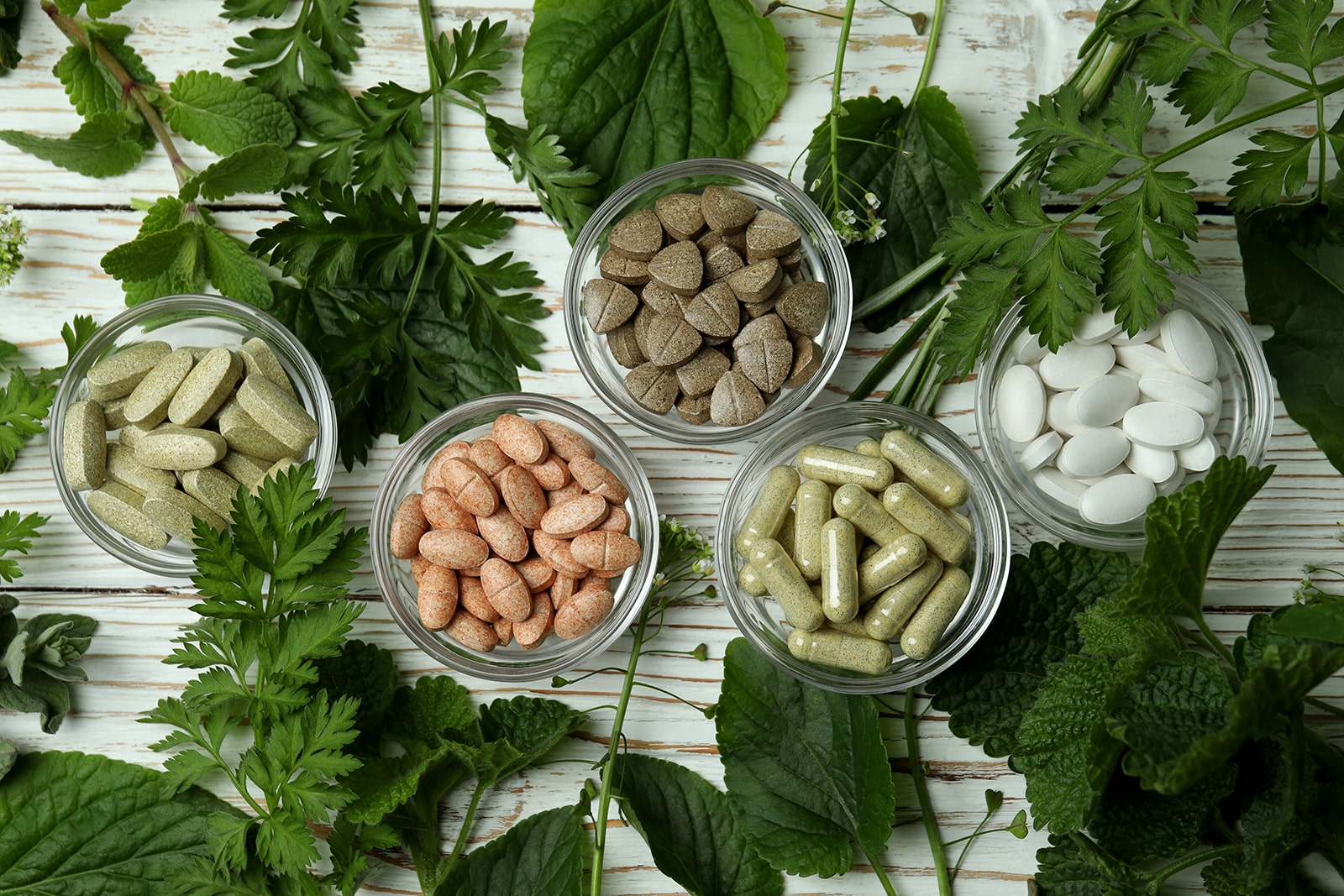
Supplement Safety: Avoiding Fraudulent Herbs
Nationally recognized store chains, Walgreens, GNC, Walmart and Target came under fire a few weeks ago after third part testing revealed that the supplements being sold under store brand label were mislabeled, meaning they either listed ingredients that were not in the formula or contained ingredients that were not listed on the label.
This is scary!
It brings to light some underhanded actions by three very well known companies with huge customer reach. If they’re being deceptive, then who else might be deceiving us?
I can’t say I was completely surprised. Supplement safety is something I’m pretty vocal about. I’ve often coived my opinion on many over-the-counter supplements sold with little or no quality control verification. But I was shocked by the extent of the falsification.
Here are some of the discrepancies uncovered via DNA testing done at Clarkson University in Potsdam, NY by Dr. James A. Schulte II (as reported by the attorney general Eric Schneiderman’s office):
GNC:
- Six “Herbal Plus” brand herbal supplements per store were purchased and analyzed: Gingko Biloba, St. John’s Wort, Ginseng, Garlic, Echinacea, and Saw Palmetto. Purchased from four locations with representative stores in Binghamton, Harlem, Plattsburgh & Suffolk.
- Only one supplement consistently tested for its labeled contents: Garlic. One bottle of Saw Palmetto tested positive for containing DNA from the saw palmetto plant, while three others did not. The remaining four supplement types yielded mixed results, but none revealed DNA from the labeled herb.
- Of 120 DNA tests run on 24 bottles of the herbal products purchased, DNA matched label identification 22% of the time.
- Contaminants identified included asparagus, rice, primrose, alfalfa/clover, spruce, ranuncula, houseplant, allium, legume, saw palmetto, and Echinacea.
Target:
- Six “Up & Up” brand herbal supplements per store were purchased and analyzed: Gingko Biloba, St. John’s Wort, Valerian Root, Garlic, Echinacea, and Saw Palmetto. Purchased from three locations with representative stores in Nassau County, Poughkeepsie, and Syracuse.
- Three supplements showed nearly consistent presence of the labeled contents: Echinacea (with one sample identifying rice), Garlic, and Saw Palmetto. The remaining three supplements did not revealed DNA from the labeled herb.
- Of 90 DNA tests run on 18 bottles of the herbal products purchased, DNA matched label identification 41% of the time.
- Contaminants identified included allium, French bean, asparagus, pea, wild carrot and saw palmetto.
Walgreens:
- Six “Finest Nutrition” brand herbal supplements per store were purchased and analyzed: Gingko Biloba, St. John’s Wort, Ginseng, Garlic, Echinacea, and Saw Palmetto. Purchased from three locations with representative stores in Brooklyn, Rochester and Watertown.
- Only one supplement consistently tested for its labeled contents: Saw Palmetto. The remaining five supplements yielded mixed results, with one sample of garlic showing appropriate DNA. The other bottles yielded no DNA from the labeled herb.
- Of the 90 DNA test run on 18 bottles of herbal products purchased, DNA matched label representation 18% of the time.
- Contaminants identified included allium, rice, wheat, palm, daisy, and dracaena (houseplant).
Walmart:
- Six “Spring Valley” brand herbal supplements per store were purchased and analyzed: Gingko Biloba, St. John’s Wort, Ginseng, Garlic, Echinacea, and Saw Palmetto. Purchased from three geographic locations with representative stores in Buffalo, Utica and Westchester.
- None of the supplements tested consistently revealed DNA from the labeled herb. One bottle of garlic had a minimal showing of garlic DNA, as did one bottle of Saw Palmetto. All remaining bottles failed to produce DNA verifying the labeled herb.
- Of the 90 DNA test run on 18 bottles of herbal products purchased, DNA matched label representation 4% of the time. Contaminants identified included allium, pine, wheat/grass, rice mustard, citrus, dracaena (houseplant), and cassava (tropical tree root).
This is a BIG deal.
You might be wondering, “How this could happen?” Who’s been watching out for the quality of herbals and our supplement safety? Well the fact is, though the FDA has very strict guidelines outlining what can or cannot be printed on a label, there’s no federal enforcing agency to make sure that those supplements are as safe or effective as the consumer maybe lead to believe.
Supplements are a $30 billion dollar a year industry. It’s no wonder that these huge retailers want to maximize on sales in this arena. However, what they did was not only misleading, it could have potentially been dangerous.
The retailers were ordered to cease and desist, and if you have any of these supplements at home you should be aware of the potential for contamination.
This doesn’t necessarily mean that you should stop taking your supplements, but it does mean that you should start really considering the brand and sources you choose. Though not required by the FDA, many more reputable brands have taken the extra steps to acquire third part certifications of their manufacturing practices.
Good Manufacturing Practices (GMP) have been developed by the FDA and are accredited, third party institutions who are entrusted to review a manufacturer’s process, standards and efficacy to certify and allow them to carry their seal. There are a few highly respected certifications to look out for on your supplement label. It’s important to look for independent third party certification of GMP to ensure non-bias.
Natural Product Association (NPA)
According to the website:
NPA has always taken a leadership role in promoting quality standards and has developed proactive certification programs for that purpose. NPA was the first organization to offer a third-party GMP certification program for the manufacturing of dietary supplements and dietary ingredients.
Manufacturers looking to apply for GMP certification through NPA must comply with standards set forth: “NPA GMP Certification is awarded to companies that meet a high level of compliance to the NPA GMP Standard as verified through comprehensive third-party inspections of facilities and GMP-related documentation.”
NSF International
NSF has a 7-step review process to certify a product. According to the site, “NSF accredited third-party certification provides all stakeholders – industry, regulators, users and the general public – assurance that a certified product, material, component or service complies with the technical requirements of the referenced standard.” NSF is an international accreditation association.
Find out more information about the various agencies that accredit NSF at http://www.nsf.org/about-nsf/accreditations/.
Therapeutic Goods Administration (TGA)
TGA is an Australian based agency that regulates “supply, import, export, manufacturing and advertising of therapeutic goods.” Therapeutic goods are defined as anything from medication and supplements to medical devices and even first aid supplies. They provide information and education for both consumers and healthcare professionals. They also provide a forum for consumers to report problems.
Consumer Labs (CL)
Another fantastic resource of independent testing and data is Consumer Labs. They provide reports on testing of health and nutrition products, prescriptions, sports and energy products, functional foods, food, beverages and personal care products. It’s a comprehensive and object third party that uses the FDA’s GMP quality standards as a baseline for evaluating products.
So should I keep taking my supplements?
When it comes right down to it–if you are taking any of the store brand supplements listed above, I’d recommend you discontinue using them. In fact, this might be a perfect opportunity to evaluate the products that you’re using.
- Are your supplements certified by a third party for GMP?
- Do they list any artificial ingredients or preservatives?
- Is there a certification ensuring purity?
- Are all the ingredients listed or are they hiding behind the veil of “proprietary blend”?
Better yet, review your supplements with an herbalist, nutritionist or pharmacist who’s familiar with GMP standards and product certifications.
I believe that it’s important to have alternatives to pharmaceuticals, and to hold the manufactures of these nutraceuticals to a high standard. When used properly, natural botanicals and supplements can offer a much needed and safer alternative to help people heal. However, it’s up to us as healthcare providers to help the consumer navigate the sea of products available and advocate for safer, more effective standards.
That’s why I’m here to help.
Lastly, I’d like to leave you with the following excerpt from the book 21st Century Herbal by Michael Balick:
Herbal medicine is ancient, and it gave birth to the modern sciences of botany, pharmacy, perfumery, and chemistry. Some of our most useful and beneficial medicines originate from plants, including aspirin (salicylic acid derivatives from willow bark and meadowsweet), quinine (from cinchona bark), digoxin (from foxglove), and morphine (from opium poppy). Just 100 years ago, the United States Pharmacopeia was filled with plant-based drugs, but today, few physicians are well versed in botany and few botanists deeply understand medicine.
This is unfortunate because there are times when an herbal remedy could offer a safer alternative. The flowers have been used for centuries as a gentle calm-ative for young and old alike. It is non-habit-forming and well tolerated. A study sponsored by the University of Michigan found that chamomile extract had roughly the same efficacy as many prescription sleeping medications when given to adults with insomnia. Peppermint oil has been shown to be as effective as pharmaceutical drugs for relieving irritable bowel syndrome, but without the ofttimes dangerous side effects. Clinical studies have shown that ginger relieves morning sickness, sage can relieve a sore throat, and hibiscus tea gently lowers blood pressure. I believe it’s better to use mild remedies for minor health problems and save the more potent, and risky, prescription medications for more serious conditions.
Sometimes an herb can fill a niche for which there is no pharmaceutical equivalent. Milk thistle is a classic example. Numerous scientific studies show that the extract can prevent liver damage caused by environmental toxins, alcohol, and medications like acetaminophen (Tylenol). A Columbia University study of children with acute lymphoblastic leukemia (ALL) found that milk thistle could reverse the liver toxicity that resulted from chemotherapy, allowing children to receive their treatments on time. Milk thistle protects the liver without interfering with the effectiveness of medications— and nothing currently in our modern pharmacy can match it. Some herbal remedies (such as the antidepressant St. John’s wort), however, can interact with medications. So if you’re taking a prescription medication, talk to your pharmacist and/ or health-care provider before you take any herbal remedy or dietary supplement.
Consumers want to know about alternatives to conventional approaches; health-care practitioners and pharmacists should be able to answer their questions and provide appropriate guidance.
—Tieraona Low Dog, MD
Wondering what supplements are right (and safe) for you? Schedule a Supplement Overhaul and we’ll review your health profile, discuss your best options and compile a program just for you. Email me today if you have any questions!

How Good Digestion Can Improve Overall Health
Good Digestion: The Foundation of Good Health
So much emerging research has come up recently connecting the integrity of the gastrointestinal tract (GI) with many health concerns. Most notable are these articles on depression here and here, this one on dementia, and this on risk associated with cardiovascular disease.
This doesn’t even scratch the surface – but hopefully starts to give you an idea of the interrelationship between the health of your digestion and, well just about everything else.
Conditions associated with poor gut health
- Frequent colds
- Seasonal allergies
- Weight gain and bloating
- PMS or PCOS
- Skin conditions like acne, eczema or psoriasis
- Brain fog/difficulty concentrating
- Depression/anxiety
- Food sensitivities
- Autoimmune disease
- Metabolic syndrome
- Thyroid imbalance
The Gastrointestinal Tract (GI)
The GI’s main purpose is obviously digestion. However it also serves as a barrier. The intestinal wall serves as a barrier keeping toxins, bacteria and viruses out of circulation. Intestinal permeability (AKA Leaky Gut Syndrome) occurs when inflammation causes “leaks” or gaps in the gut membrane which then allows passage of toxic substances into the body. This also compromises the integrity of good bacteria that lines the gut. Furthermore, 80% of the body’s immunity is produced in the gut. Compromises in the gut lining, bacterial flora and inflammation are responsible for augmented immune response. This ultimately leads to many health problems listed above.
6 Strategies to improve digestion and prevent “leaky gut”
- Enlist nutritional support by a nutritionist or someone trained in dietary gut restoration therapy.
- Eat a whole food based diet and avoid pesticide and antibiotic exposed foods
- Balance microflora (“good” bacteria)by increasing intake of good bacteria either through fermented foods or a high quality probiotic.
- Limit use of gut damaging medications like proton pump inhibitors (Prilosec), NSAIDS (Ibuprofen), or steroids (prednisone), to name a few.
- Minimize use of alcohol, caffeine, processed foods and additives since they cause inflammation to the gut lining.
- Manage stress – left unchecked, stress is one of the best ways to increase acidity in the gut and cause more damage to the mucosal lining.
Healthy digestion workshop
Join me at Yoga in the Heights on Sunday February 22nd for a workshop dedicated to exploring the connection between gut health, digestion and good health. We’ll learn some important dietary techniques to maintain healthy GI function improve digestion and prevent chronic disease.
- Learn about important links between the gut and overall health
- Learn what steps to take to healing your gut and improving digestion
- Find relief from bothersome or embarrassing symptoms of poor digestion
Have more questions or want to learn more about February’s Nutrition Event? Contact me anytime!

Basic Nutrition 101
Basic Nutrition 101
Probably one of the most common questions I get as a nutritionist is, “what should I be eating?”
The majority of people I talk to realize they need to pay better attention to what they’re putting into their body. However, many are confused as to what constitutes a balanced diet. And with so much conflicting, confusing and misleading information out there, I can’t blame anyone for being fuzzy on the requirements of basic nutrition.
In order to understand what comprises a “good diet,” there are 3 components that need to be considered: Macro-, Micro- and Phyto-nutrients.
Macronutrients
Consider these guys like the foundation of a building. These provide energy and primary building blocks needed by the body. A certain balance is necessary for organ function and muscle building.
- Protein
- Carbohydrates
- Fat
The amount of energy derived from here is measured in a unit called the calorie– which according to the diet industry, is the enemy. The amount of energy each individual needs varies from one person to another based on a variety of factors including genetics, activity level, body mass and metabolic level.
Micronutrients
Just because they’re “micro” doesn’t mean they’re not important; they are vital for proper body function. They are involved in everything from immunity, muscle function, bone integrity, cell regeneration, nerve function and much, much more!
- Vitamins– Include Vitamins A, B, C, D, E etc…
- Minerals– Calcium, iron, magnesium etc…
- Trace Elements– Zinc, Selenium, Manganese etc…
The distinction between macro- and micronutrients explains how someone can be overweight (too many macro-nutrients) but still be malnourished (lack of micro-nutrients). The standard American diet (SAD) is full of junk and processed food is full of calories, but they’re empty calories with little if any vitamins or minerals.
Phytonutrients
These work like scavengers, responsible for correcting DNA and cell malfunction that lead to chronic disease. Studies show that increased amounts of phytonutrients in our diet can improve immune function, detoxify, prevent disease (like heart disease and asthma) as well as prevent and fight cancer. Phytonutrients are the colorful component of fruits and veggies- the more colorful your diet the better!
- Found in Fruits and Veggies
- Include reservatrol, lycopene, chlorophyll, flavenoids etc
- Various colors are indicative of various kinds of phytonutrients. This is why variety in your diet is so important!
- May be supplemented by powder or tablet form; however a good source is vital! Fresh, organic food is always best.
Seems pretty straight forward, right?
Make sure you have all these components in high quality on a daily basis and viola! You have a great diet!
But who are we kidding? I realize it’s not that simple. With work, family and day-to-day stress many of us let one (or more) of these vital components go. Before you know it, you’re skipping breakfast on a regular basis or no more veggies at lunch. Besides getting it all in, choosing the right sources are vital, understanding the value of organic farming, non-GMO sources, grass-fed beef or hormone-free poultry and dairy is also important.
It may take some time and effort… But learning to eat this way can change your life!
Making slow and steady changes is the best way to make it stick. This blog is meant to help you learn how to implement them. That’s why, over the course of the next several weeks, we’ll be exploring various nutrients in detail and where you can add them in your diet.
But don’t be afraid to ask for help! Working with a nutritionist or Health Coach can be invaluable to helping you succeed. Contact me for a consultation.
I want to hear from you!
When you are trying to incorporate better basic nutrition into your life, what’s the main obstacle you face?

Why you Need to Stop using Hand Sanitizers
Looking to boost your immunity and overall health? You should stop using hand sanitizers.
Hand sanitizers are a very popular and widely used personal hygiene product. They’re convenient and portable, especially if you don’t have access to a sink to wash your hands as often as you’d like.
The problem is that, hand sanitizers are actually not as safe as we’d been lead to believe.
Bacterial resistance is by far by biggest concern when it comes to the overuse of any anti-bacterial compound- this includes hand sanitizers as well as anti-bacterial soap.
A wave of research has recently confirmed not only the extent of the importance of “good” bacteria for our health, but has also elaborated on the complexities of this microbiome. Not only are these important bugs in our mouth and GI tract, but they also line our skin and airways and reproductive organs. We’re quite literally swarming with bacteria- and this is a very good thing.
Watch the video below for a great explanation of the roll of bacteria and the microbiome
Having an extensive microbiome protects our immune system, fights off infections, maintains good digestion and even affects our cognitive ability and mood. That’s why it’s very important to eat fermented foods full of probiotics, fiber rich foods and/or to take supplements to maintain this delicate balance.
Hand sanitizers (and anti-bacterial soaps for that matter) don’t discriminate in killing bad bacteria and good bacteria. That means any time you use it, you’re killing off precious beneficial bacteria and actually increasing your risk of infection.
Many use hand sanitizers in an attempt to avoid catch the flu or a cold. However, remember those are both caused by viruses and not bacteria- so anti-bacterial sanitizers are ineffective. So when we weaken our immune system by killing off good bacteria, we’re actually more susceptible to viral infections.
As if that’s not bad enough, overuse of anti-bacterial products also contributes to overall bacterial resistance. This means though it may kill off many bacteria, it leaves behind some of the stronger strains to reproduce and proliferate. With no other strains to compete with, this then leads to “super bugs” that can cause dangerous infections that are less susceptible to antibiotic treatment. Scientists and healthcare providers are predicting that if we continue to overuse antibiotics (in soaps, sanitizers, medication and animal feed) we may inadvertently create superbugs faster than new antibiotics to treat them (you can read the CDC’s report here).
Bacterial balance isn’t the only reason to ditch hand sanitizers, here are some others:
- Parabens are not unique to hand sanitizers, they are regularly added to soaps, shampoos, body washes and other self care products. These chemicals are hormone disruptors and have been linked to cancer, infertility, skin rashes among other health issues.
- Triclosan is often added to a variety of products- including hand sanitizers- to prevent bacterial contamination. However the safety of Triclosan has not been conclusively determined yet by the FDA. Furthermore, the extent of resistance potential has also yet to be determined.
- Fragrances added to hand sanitizers (and other cosmetics) can contribute to toxicity and allergies, dermatitis as well as more serious conditions like hormone balance
Still feel like you need to have something on hand for quick clean up? Check out these awesome natural alternatives:
- Homemade Handsanatizer- uses tea tree oil and which hazel as the active ingredient
- Dr. Bronner’s Magic Organic Hand Sanitizing Spray Organic, Fair Trade, Ethically manufactured (I’m a big fan of this line for the record). The anticeptic properties come from alcohol.
- Burt’s Bee’s hand sanitizer – Active ingredients are tea tree oil and ethanol.
- EO Organic Hand Sanitizer
Check out more of my personal care product picks in the Farmacy Favorites section.
But keep in mind- nothing replaces proper hand washing technique. The act of rubbing your hand together under running warm water for at least 20 seconds is actually much more effective than any antiseptic product.
For more about probiotics, maintaining a healthy microbiome and probiotics check this blog here, and this one over here.
So what do you think? Are you ready to stop using hand sanitizers? Why or why not?

How to Avoid Mercury in Seafood: A Fishy Situation
Though increasing fish in your diet is good, it’s important to avoid mercury in seafood.
Increased intake of mercury has been linked to various health concerns, including:
- Cardiovascular damage, high cholesterol and high blood pressure.
- Damage to the nervous system, memory and brain “fog.”
- Increased incidence of auto-immune disease including psoriasis, eczema, rheumatoid arthritis.
- Increased allergic potential to seasonal triggers as well well as increased food sensitivities.
A major source of mercury intake is seafood. But we’ve know that eating fish is good source healthy fats and protein, so the question is: How do we avoid mercury in seafood?
I don’t suggest you avoid fish all together, but I do suggest you choose your fish wisely!
Here are some great recommendations by Dr. Mark Hyman:
-
- When possible, eat fish either farmed or caught with sustainable, restorative, regenerative practices. Check out www.cleanfish.com to find out which brands and companies to choose from.
- Stay away from toxic or endangered fish. Use the Natural Resources Defense Council’s wallet card when choosing fish.
- Eat from the lowest mercury fish group and avoid the rest, except for a treat a few times a year if you must. Also, their warning about farmed salmon is only relevant to “feedlot fish” — not sustainably raised salmon such as Loch Duart Scottish Salmon.
- Omega-3 fats are essential for the functioning of every cell in your body and 90 percent of us do not consume enough of them. Read more about the health benefits of omega-3s.
- If you are omega-3 fat deficient, take purified fish oil, at least 1,000-2,000 mg of EPA/DHA a day.
- Watch me on “The Doctor Oz Show” to learn more about omega-3 fats, home testing and what fish oil supplements to take.
You can read the rest of that highly informative blog HERE. You’ll find out more about the challenges we face in fish ecology as well as what some organizations are doing to help.
For those who are more visual, below I’ve included a handy graphic from Fix that summarizes best practices for safe fish consumption very clearly.

Source: Fix.com

Should I Choose Organic? Does it make a difference?
Short answer, yes.
But organic isn’t always cheap. And for many, it’s harder to find. Though more and more supermarkets and local grocery stores are beginning to carry organic produce and foods, it can still be a challenge to stock up on organic.
As challenging as it is, why should you consider shopping for organic?
Dairy and meat
If you’re going buy anything organic, then opt for your animal meats and dairy. The problem with traditionally raised animals is that they are routinely injected with hormones (rBST) to help with growth and increased milk production. Also, they’re fed GMO (genetically modified) feed and grains that aren’t part of the animal’s typical diet. They are also given antibiotics on a prophylactic basis (to prevent disease) which we then in turn get to ingest with our meal …yum! (If you haven’t already, check out The Meatrix for more on this.)
I emphasize choosing organic here because the practices in non-organic farms have been linked to producing animal meats and dairy that cause health concerns. These are a direct result of the poor health of the animals. These health risks include:
- Increased obesity
- High cholesterol
- Heart disease
- High estrogen levels in women and early puberty in girls
- Low testosterone in men
- Infertility
- Diabetes
- Inflammation
Produce
One of the main reasons to choose organic produce is pesticides. The stuff they spray traditional crops with has been shown to cause disruptions to digestion, the nervous system as well as oxidative damage to various organs.
GMO is another concern. An overwhelming majority of soy and corn used in the US is genetically modified. With huge controversy over the safety of GMO crops (check out this outstanding documentary Genetic Roulette for details), my personal recommendation is avoiding them till more studies can definitively prove they are healthier (not just safe). Organic produce cannot be genetically modified, so you’re safe choosing organic in this case.
My third concern involves the nutrient depletion of soil. Due to “modern” farming practices, the soil used to grow our produce has been stripped of the minerals needed to grow the most vital and nutrient dense foods. In fact, comparisons of nutrient content of veggies 50 years ago to today have shown that most conventionally raised crops today are less than half as nutritious as their counterparts from back then. Organic growing practices require soil rotation and fertilization practices that ensure more nutrient dense crop yield. Watch the video below for more on the effects of soil depletion:
So can you make organic more affordable?
If only money grew on (organic) trees. If you’re on a budget or having trouble going all organic, all the time, here are some ideas to help you maximize your dollar.
- If you have to pick, choose organic meat and dairy. Reduce your consumption and find high protein and calcium plant based foods like legumes, whole grains, leafy greens and nuts.
- Shop at the farmer’s market- you might be able to find local farmers who follow organic farming practices but are not certified. This means you can reap the benefits of local food without the price tag. Check out this helpful search engine to find one near you.
- Join a CSA. Check out this CSA resource.
- If you have to choose what to buy organic, choose smart! Use the EWG Dirty Dozen as a guide.
- Stick to real whole food- processed food is already more expensive and organic labels drive up the prices even more! Stick to foods that don’t come in packages, with labels and with ads.