
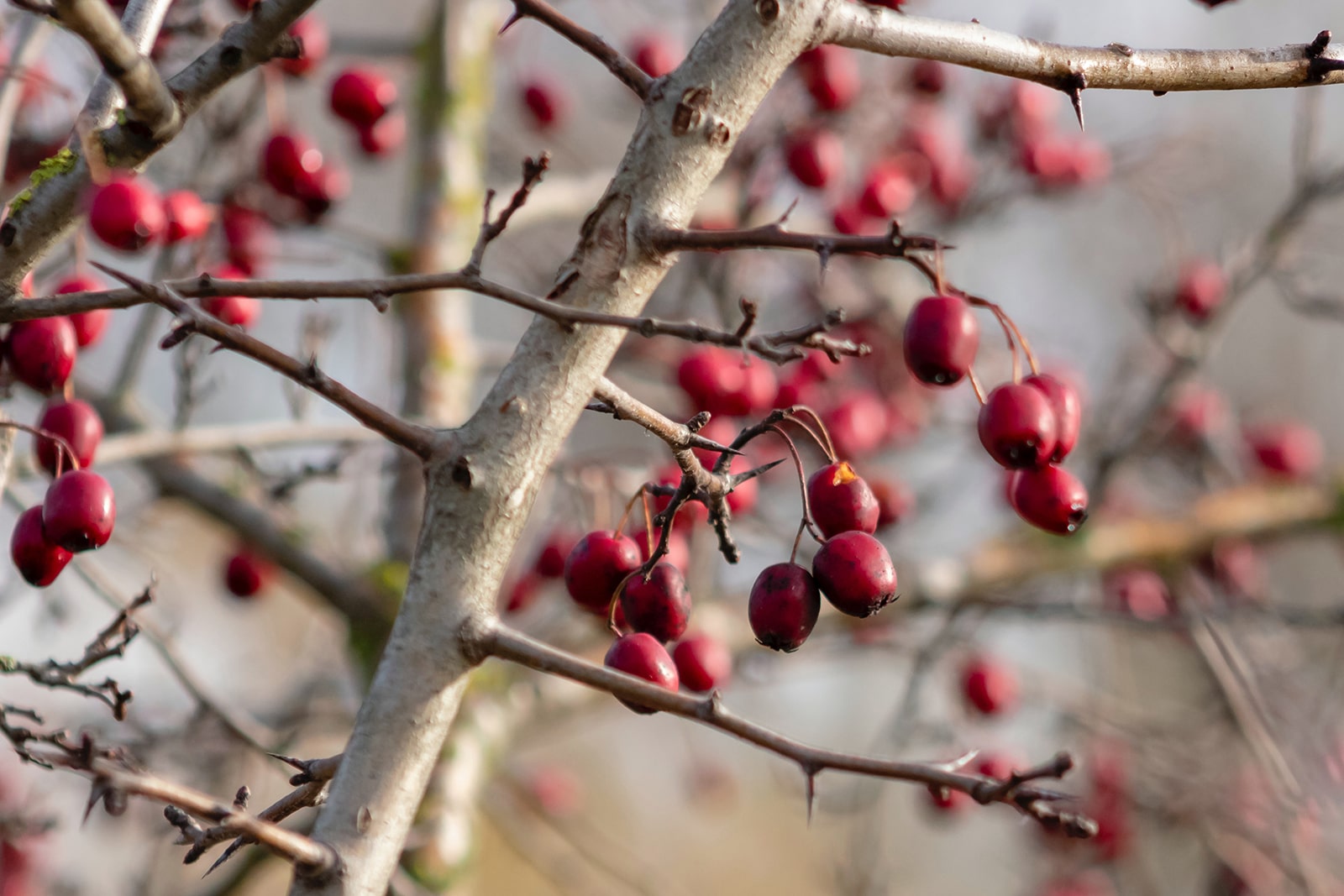
Hawthorn Berry (Crataegus oxyacantha)
Hawthorn Berry (Crataegus oxyacantha)
Hawthorn berry Crataegus oxyacantha (Latin binomial), sometimes called Maybush, is a thorny shrub found that can be found growing on hillsides and in sunlit woodsey areas throughout the world. It’s been used for centuries to prepare foods, beverages, and medicines.
In folk medicine, Hawthorn was used for the treatment of diarrhea, insomnia, and asthma. In China, it has been used to treat digestive problems, high cholesterol, poor circulation, and shortness of breath. During the early 1800’s, doctors in North America used Hawthorn to treat heart conditions, circulatory, and respiratory disorders.
Hawthorn has a rich supply of flavonoids (antioxidants that protect cells from damage) and anti-inflammatory properties, which are important to heart health. It plays a role in helping dilate blood vessels, improves blood flow to the heart, and lowers blood pressure. In fat, in Europe Hawthorn is regarded as a safe and effective treatment for early-stage heart disease. It is used to promote the health of the circulatory system and to treat angina, high blood pressure, and congestive heart failure. In studies, patients with heart failure who took Hawthorn showed improvement in clinical symptoms and sense of well-being.
Hawthorn berry is available as tea, capsule, tincture, and standardized extract found in prescription drugs (not in the US), over-the-counter medication, standardized herbal medicine, or dietary supplements. Before taking Hawthorn, especially if you suspect or have a heart or lung condition, consult with a holistic integrative health practitioner.
Resources
- Hawthorn. Complementary and Alternative Medicine Guide. University of Maryland Medical Center Online. https://umm.edu/health/medical/altmed/herb/hawthorn
- Johnson, Rebecca L. & Foster, Steven et al., National Geographic Guide to Medicinal Herbs: The World’s Most Effective Healing Plants. (National Geographic Society. (2010, 2014), 123-125.
- Hawthorn Berry (Crateagus Oxycanthus): Health Benefits. http://www.herbwisdom.com/herb-hawthorn-berry.html
- Mars, Bridgitte & Fiedler, Chrystle. Home Reference Guide to Holistic Health & Healing. (Beverly, MA: Fair Winds Press. 2015.), 189.
- Dahmer, S., Scott, E. “Health Effects of Hawthorne,” Amer Family Phys. (Feb 15, 2010) 81:4, 465-468. Accessed: Dec. 09, 2015: http://www.aafp.org/afp/2010/0215/p465.html
- Chang, W., Dao, J., and Shao, Z. “Hawthorn: Potential Roles in Cardiovascular Disease.” American Jnl. Chinese Medicine (January 2005) 33:01, pp. 1-10. DOI: 10.1142/S0192415X05002606. http://www.worldscientific.com/doi/abs/10.1142/S0192415X05002606?url_ver=Z39.88-2003&rfr_id=ori%3Arid%3Acrossref.org&rfr_dat=cr_pub%3Dpubmed&
- ie Wang, Xingjiang Xiong, and Bo Feng, “Effect of Crataegus Usage in Cardiovascular Disease Prevention: An Evidence-Based Approach,” Evidence-Based Complementary and Alternative Medicine, vol. 2013, Article ID 149363, 16 pages, 2013. doi:10.1155/2013/149363. http://www.hindawi.com/journals/ecam/2013/149363/

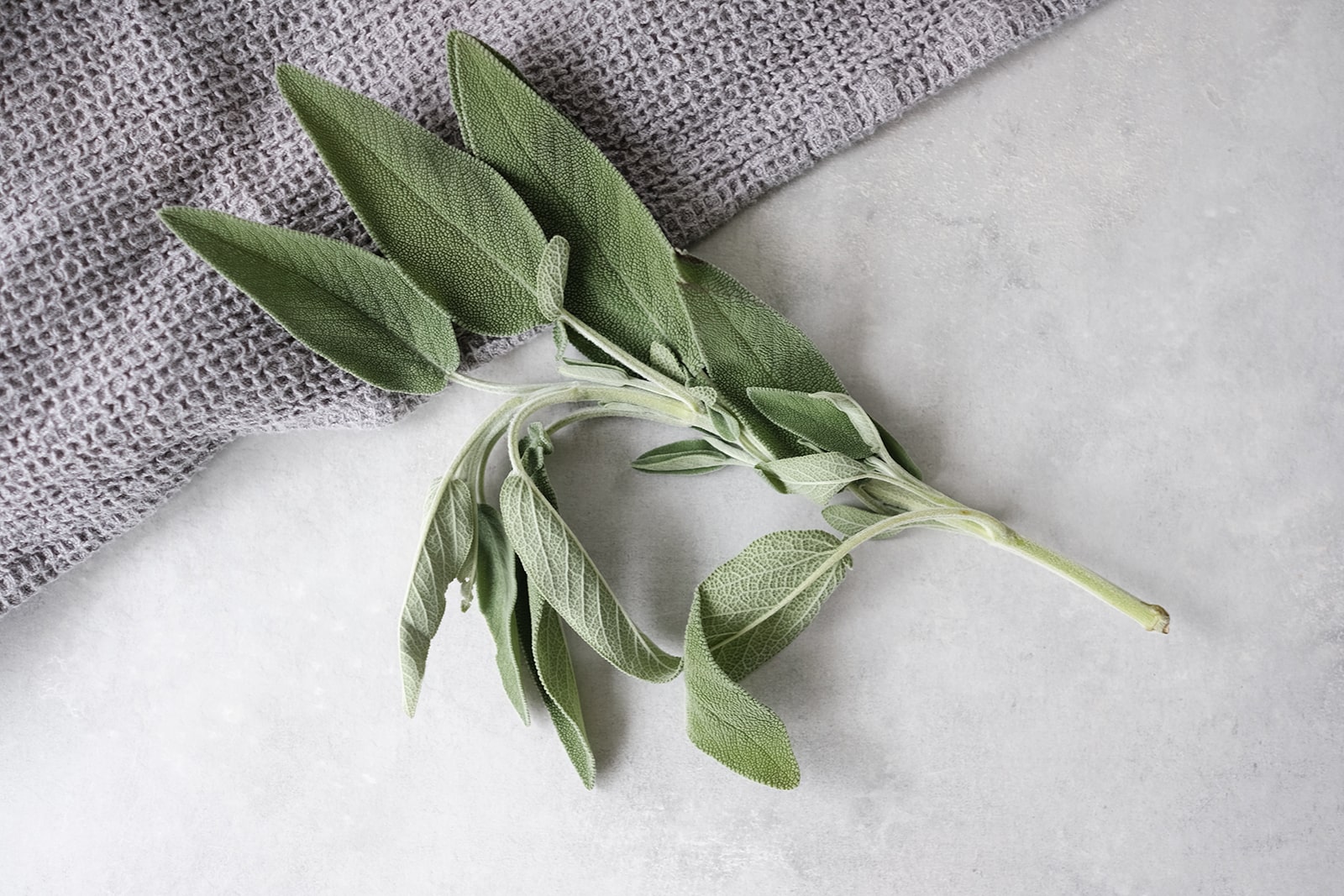
Sage (Salvia officinalis)
Sage (Salvia officinalis)
Clear Your Mind with Sage.
Sage, with its woody stems, grayish leaves, and lovely purplish-blue flowers, is a native perennial of the Northern Mediterranean coast and an herbal member of the mint family. If you’re only familiar with Sage for seasoning savory dishes, you’re missing out on a fascinating botanical remedy.
Ancient Greeks and Romans burned sage in ceremonies, believing it would impart wisdom. Early European herbalists used Sage to clear congestion, purify the blood, and cleanse the teeth. In Native American and indigenous cultures around the world, shamans use White Sage to cleanse both persons and spaces of evil influences. Priests still burn Sage in religious ceremonies. Even though it has not been proven that Sage will raise your consciousness, many people burn Sage to facilitate relaxation during yoga or meditation.
Today, we know that Sage leaves and flowers contain chemicals with antibacterial, astringent, and antiseptic properties. At your local holistic market, you can find Sage in a variety of products. It is used in natural deodorant, and in mouthwash because it fights bacteria responsible for gum disease. In herbal remedies, a sage tea or tincture can help ease sore throat, congestion, digestive cramping, and support mental wellness. In aromatherapy preparations, sage is most often used as an essential oil in an air diffuser or in candles. Dried White Sage is most commonly burned (known as smudging) as incense with the intention to clear the lungs, ease mental stress, and enhance mood.
Using Sage as a botanical remedy is very different from cooking with the herb. Medicinal preparations and essential oils derived from Sage contain thujones, a naturally occurring chemical in the plant. If you take a higher dose of medicinal Sage than is recommended, it could cause serious health problems such as tremors, rapid heart rate, vertigo and vomiting. Consult your holistic health practitioner for guidance on the safe use of any Sage remedy.
Looking for tips on getting a more restful sleep?
Resources
Mars, Bridgitte & Fiedler, Chrystle. Home Reference Guide to Holistic Health & Healing. (Beverly, MA: Fair Winds Press. 2015.), 30, 143, 203.
Johnson, Rebecca L. & Foster, Steven et al., National Geographic Guide to Medicinal Herbs: The World’s Most Effective Healing Plants.(National Geographic Society. 2010, 2014.), 90-93
Sage: Herb Wisdom.com http://www.herbwisdom.com/herb-sage.html
National Centers for Complementary and Integrative Health Info Sheet: Sage:https://nccih.nih.gov/health/sage
Smudging with Sage: http://www.mindbodygreen.com/0-17875/a-sage-smudging-ritual-to-cleanse-your-aura-clear-your-space.html
Walch SG, Kuballa T, Stühlinger W, Lachenmeier DW. “Determination of the biologically active flavour substances thujone and camphor in foods and medicines containing sage (Salvia officinalis L.)”.
Chem Cent J. (Jul 21, 2011): 5-44. http://www.ncbi.nlm.nih.gov/pmc/articles/PMC3155476/
Kennedy, D. O., Wightman, E. L. “Herbal Extracts and Phytochemicals: Plant Secondary Metabolites and the Enhancement of Human Brain Function.” Advances in Nutrition: An International Review Journal. (11 January 2011): 2(1), 32–50. https://www.ncbi.nlm.nih.gov/pmc/articles/PMC3042794
MedLine Research Citations Indexed for Salvia officinalis in herbal teas and tinctures http://www.ncbi.nlm.nih.gov/pubmed
Reduce Food waste & Save Money
Reduce Food waste & Save Money
Why reduce food waste? Did you know that each day, Americans toss out enough food to fill the Rose Bowl stadium? That’s daily!
As much as 40% of edible food in the United States goes uneaten. That translates to a waste of between $28-$43 a month from your wallet. All that uneaten, but perfectly good food doesn’t just lay waste to your budget, it rots in landfills and pollutes the planet.
I was raised to avoid wasting food, like most of you. I really hate food get tossed, but sometimes it happens (more often than I’d like to admit). Luckily, with a little mindfulness there are easy ways to reduce your “foodprint” and put money back in your pocket!
Americans toss out enough food to fill the Rose Bowl stadium? That’s daily! #FoodFacts CLICK TO TWEET
Behold below! 7 steps to reduce food waste ANDsave money:
- Bring your tridge inventory to “Zero Balance”. Before you restock, take inventory and make sure it’s emptied of all edible food. Often this helps us get a better handle on how much to buy, and plan your shopping around your needs. It gives you a chance to really gauge how much you go through between shopping trips.
- Repeat after me: The freezer is my friend. Most frozen foods remain safe indefinitely. Freeze leftovers in single serve containers if you won’t eat them before they go bad. You can do the same with fruits and veggies – which then make perfect smoothie ingredients. You can also use the produce to make juice and freeze in single serving mason jars to enjoy later. Alternatively, you may also want to try canning or preserving produce before it goes bad.
- Get down with the FIFO rule. Plan and cook meals using the “First In, First Out” rule. Try placing the most recently bought items toward the back so older items or items that spoil faster, in the front, are used first. I tend to forget about the produce in the crisper or on the back shelves and it ends up going bad (I literally just tossed out a whole bag of Brussels sprouts before I sat down to write this). Best way to avoid this, plan meals and keep it on the fridge. Streamlines meal planning and reduces the chances of forgetting about produce.
- Love leftovers. Get creative with using leftovers. Mixing in fresh veggies, dressing, or tossing on wraps, or over salad greens can freshen up leftovers when you start getting bored.
- Go pro. It’s hard to gauge how much food to buy if you don’t have any idea how much food your family wastes in a month. Do what restaurants do to manage profit and loss: keep a log of what you buy and what you throw away. Then plan your shopping ahead and avoid impulse buys by sticking to your menu or shopping list.
- Get the real deal about expiration dates*. “Sell-by” and “use-by” dates are manufacturer suggestions for peak quality. Often, foods are good a few days beyond that date. The dates are not federally regulated to indicate safety, except on certain baby foods. If you’re not sure if you should keep a food or toss it? Search online for a shelf life guide (or see the resources below). Also download this great storage guide!
- Be a giver. Bought Too Much? Donate or Compost. Non-perishable and unspoiled food can be donated to a food bank, soup kitchen, church, or a neighbor in need. Call your best friend that never has time to go food shopping and give him/her your extra produce. Also, perishable food you can’t donate can be composted to recycle their nutrients and nourish the planet.
*It’s always best to use common sense, if a food doesn’t smell or look right, it’s safest to not take a chance and not eat it.
That’s not all folks!
For more, you can mine the Resources List below for charts, instructions, and tools to help you reduce food waste.
Reduce Food Waste Resources List
Turn Leftovers into Great Meals: Love Food – Hate Waste website: www.lovefoodhatewaste.com
How to Know Your Food Waste. https://snapguide.com/guides/know-your-food-waste/
(also search online for ‘household food waste journal or log’)
National Center for Home Food Preservation. http://nchfp.uga.edu/how/can_home.html
Keep it or Toss It- Shelf Life Guide. http://stilltasty.com
Refrigerator & Freezer Storage Chart. http://www.fda.gov/downloads/Food/ResourcesForYou/HealthEducators/UCM109315.pdf
Simple Food Preservation Methods. Mother Earth Living. http://www.motherearthliving.com/cooking-methods/food-preservation-methods-zmoz12sozmel.aspx
Tools for Assessing Wasted Food. http://www2.epa.gov/sustainable-management-food/tools-assessing-wasted-food
How to Compost Kitchen Waste. Home & Garden TV. http://www.hgtv.com/design/decorating/clean-and-organize/how-to-compost-kitchen-waste
Feeding America – Food Donation Programs. http://www.feedingamerica.org/ways-to-give/give-food/become-a-product-partner/national-produce-program.html
Reducing Wasted Food Basics. http://www2.epa.gov/recycle/reducing-wasted-food-basics
Sustainable and Fair Eating Habits. Think-Eat-Save. http://www.thinkeatsave.org/index.php/top-tips-on-reducing-food-waste/14-food-waste-campaign/247-sustainable-and-fair-eating-habits
References
Jensen, Brennen. “America’s Food Waste Problem is Bigger than You Think.” Johns Hopkins Magazine (Fall 2015). Accessed on Nov 12, 2015 http://hub.jhu.edu/magazine/2015/fall/america-food-waste
Lipinski, B. et al. “Reducing Food Loss and Waste.” Working Paper, Installment 2 of Creating a Sustainable Food Future. (2013). Washington, DC: World Resources Institute. Available online at http://www.worldresourcesreport.org
Food is simply too good to waste. Natural Resources Defense Council: Environmental Issues- Food and Agriculture. Statistics last updated September 18, 2013. http://www.nrdc.org/food/food-waste.asp
Sustainable Management of Food. Environmental Protection Agency. http://www2.epa.gov/sustainable-management-food
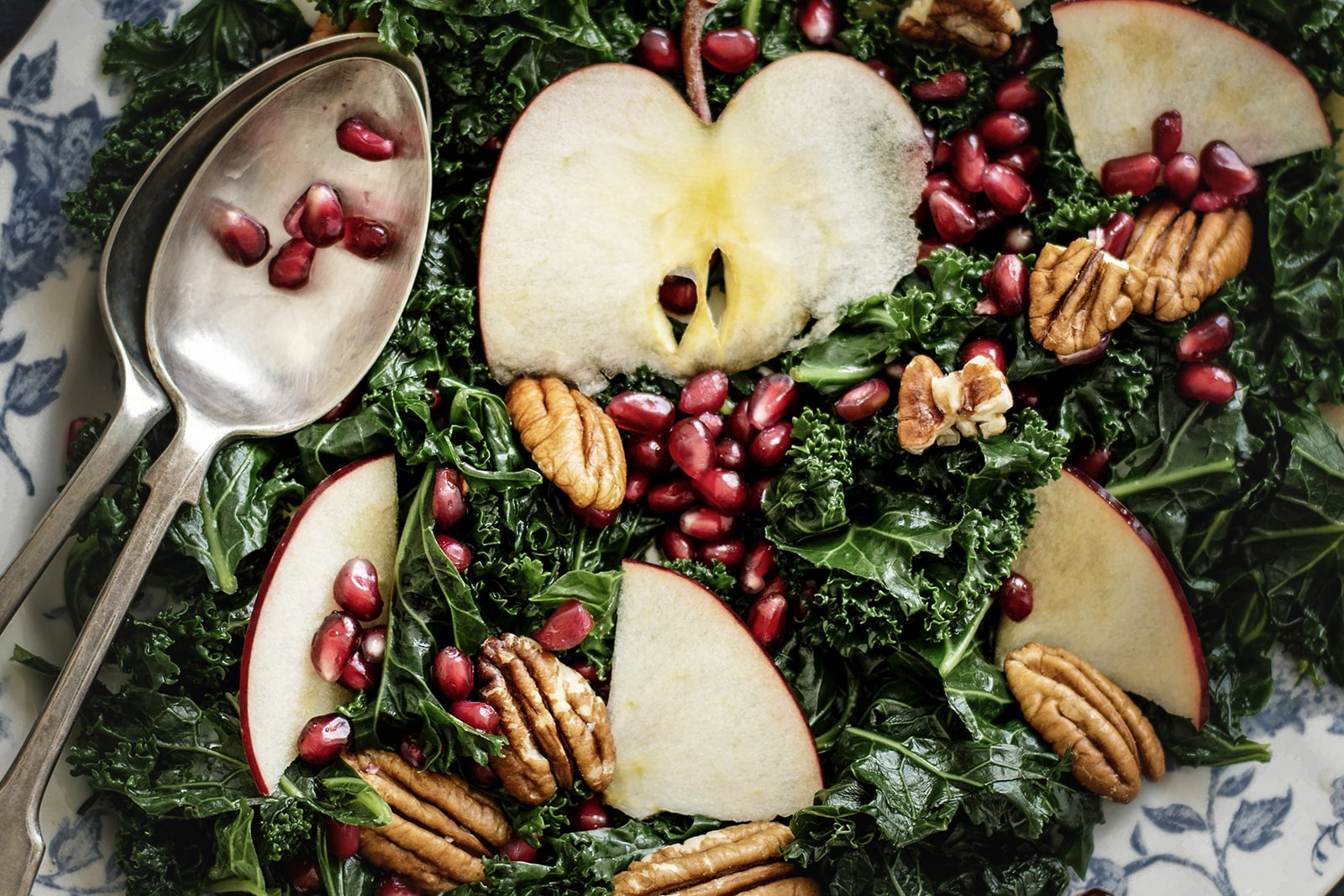
Pomegranate Pear Salad
Pomegranate Pear Salad on a Bed of Spinach
I might be bias, but this is one of my favorite salad combinations. If you’re looking for a starter to a special dinner, or simply want to treat yourself to something a little festive, crunchy and sweet then this Pomegranate Pear Salad one is the one for you!
The mix of tart, sweet, and bitters is stimulates the taste buds while helping improve digestion for the bigger meal to come. The sour from the pomegranate and lemon help to boost stomach pH to prime it for digestion. The bitters from the greens help stimulate digestion. And the thyme used in the dressing is a well known carminative – helping reduce gas or bloating.
Pomegranate seeds add beautiful color against the dark leafy greens. You probably already know about what a powerhouse antioxidant the tangy-sweet pomegranate is. Then juicy strips of Bartlett pear provide a sweet balance to the radicchio.
The entire salad is complemented by the nutty crunch and a lemon-thyme based dressing. The result is super-nutritious and super-delicious!
Ingredients
- 3/4 cup unsweetened pomegranate juice
- 1 tablespoon fresh lemon juice
- 2 teaspoons roasted hazelnut oil or extra-virgin olive oil
- 1/2 teaspoon kosher salt
- 1/2 teaspoon minced fresh thyme leaves
- 1/8 teaspoon freshly ground black pepper
- 5 ounces spinach leaves
- 3/4 cup finely shredded radicchio (from 1 head)
- 1/2 cup pomegranate seeds*
- 1/2 cup coarsely chopped toasted hazelnuts
- 1 large firm-ripe Bartlett pear
Salad Preparation
- In a small saucepan, boil pomegranate juice until reduced to 1/4 cup, 5 to 6 minutes. Let cool. Whisk in lemon juice, oil, salt, thyme, and pepper.
- In a salad bowl, gently mix spinach, radicchio, pomegranate seeds, and hazelnuts with dressing. Divide among 6 plates.
- Quarter pear and core. Thinly slice crosswise, then stack slices and cut in matchsticks. Arrange pear on salads.
*Helpful Hints for Extracting Pomegranate Seeds: Cut a pomegranate into chunks. Put chunks in a bowl of water, and, working underwater, use your hands to break seeds free from pith.
OR try this this method: An Easy Way to Extract Pomegranate Seeds (video)
Garlic (Allium sativum)
Garlic (Allium sativum)
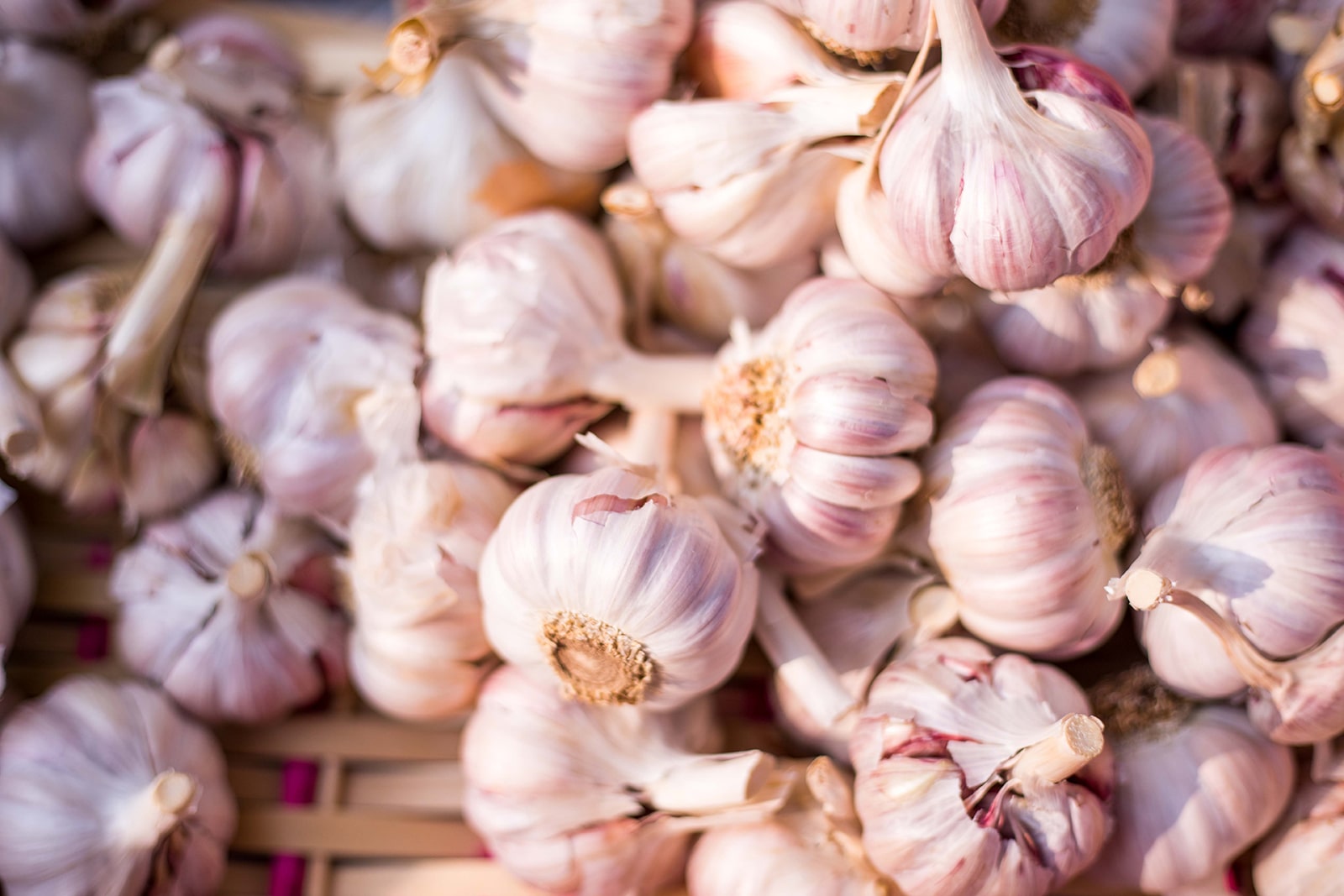
Fun fact: Garlic is an edible bulb from the lily family. Yup, as in the flower.
Garlic Allium sativum is affectionately known to herbalists as “the stinking rose.” for centuries, there has been many traditional medicine uses for garlic. Uses include treatment of skin conditions, immune support, antimicrobial, and even to reduce risk for cancer and heart disease. In fact, Garlic’s reputation is so strong in this area, it is one of the most widely studied herbal supplements for its beneficial effects on the heart.
Garlic contains several vitamins and minerals that support heart health, including vitamin B6, vitamin C, manganese, and selenium. But it’s the same chemicals that give garlic its pungent odor that scientists believe are the source of the herb’s heart health-promoting effects. Garlic is rich in the allicin, alliin, and ajoene—antioxidant compounds that help reduce the risk for cardiovascular disease.
There are three main health benefits of garlic that are strongly supported by science include:
- Slows the development of atherosclerosis (hardening of the arteries)
- Reduces blood pressure
- Reduces triglycerides and improves cholesterol
The amount of active compounds supplied by garlic supplements can vary because allicin is very sensitive to air and heat. For example, aging garlic to reduce its odor also reduces the allicin present and compromises the effectiveness of the product. So it’s interesting to note that studies on garlic and the cardiovascular system typically use garlic powder, oil, or aged extracts – not always when the antioxidants are the most potent.
Generally safe for most adults, taking a garlic supplement can cause heartburn, upset stomach, an allergic reaction, and breath and body odor (common with raw garlic). Garlic (especially in high doses) may impair the body’s ability to form blood clots should not be taken by persons who are preparing for surgery or who have bleeding disorders because it – ask your doctor if you’re on a blood thinner before you use a garlic supplement.
Let’s not skim over garlic’s antimicrobial properties – if you haven’t already check out my blog on using garlic to make “Fire Cider Vinegar” to help boost immunity in the winter. This stuff saved me last week when I was getting congested and run down.
Resources
- World’s Healthiest Foods: Garlic. http://www.whfoods.com/genpage.php?tname=foodspice&dbid=60
- National Center for Complementary and Integrative Health. Garlic. https://nccih.nih.gov/health/garlic/ataglance.htm
- Medline Plus. Herbs and Supplements: Garlic. (Includes information on garlic interactions with other drugs) https://www.nlm.nih.gov/medlineplus/druginfo/natural/300.html
- Karagodin VP, Sobenin IA, Orekhov AN. Antiatherosclerotic and Cardioprotective Effects of Time-Released Garlic Powder Pills. Curr Pharm Des. 2015 Nov 12. Available from: http://www.eurekaselect.com/136921/article
- Seki, T. and Hosono, T. Prevention of Cardiovascular Diseases by Garlic-Derived Sulfur Compounds. Jnl of Nutritional Science & Vitaminology (Tokyo). 2015. 61 Suppl:S83-85. doi: 10.3177/jnsv.61.S83. Date Accessed: Dec 8, 2015. https://www.jstage.jst.go.jp/article/jnsv/61/Supplement/61_S83/_pdf
- Xiong, XJ., Wang, PQ, et al., Garlic for hypertension: A systematic review and meta-analysis of randomized controlled trials. Phytomedicine. 2015 Mar 15;22(3):352-61. doi: 10.1016/j.phymed.2014.12.013. http://www.ncbi.nlm.nih.gov/pubmed/25837272
The Mighty Pomegranate (Punica granatum)
The Mighty Pomegranate (Punica granatum)
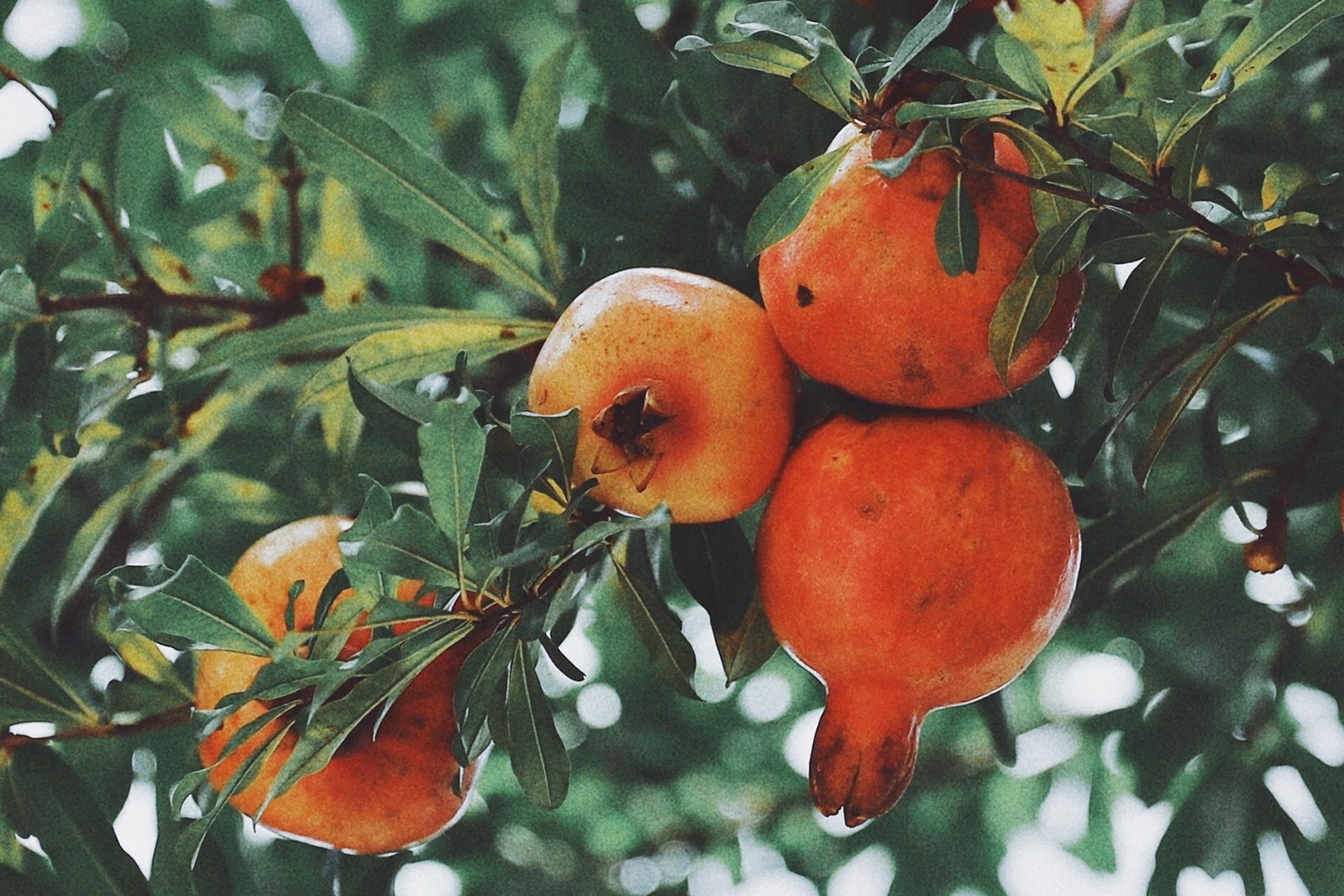
Growing up, pomegranate Punica granatum was one of my favorite winter fruits. It was always such a treat when my mom would hand me a bowl of bright red seeds!
Later on, when I had to peel my own pomegranate – let’s just say I ate less and less of it. Who wants to deal with that crazy mess?? And where do all those seeds go flying off too anyway?
Until I learned how to open one without making a mess… have you seen this video on how?
Inside a lumpy, thick-skinned pomegranate you’ll find a treasure of jewel-like arils-ruby seeds surrounded by sacs of flavorful juice. Pomegranate is both richly sweet and tart and exceptionally refreshing. Eat the arils (yup, that’s what they’re called, apparently!) by the spoonful, adding them to salads, oatmeal, or to Greek yogurt.
You’ll definitely want to check out this Pear and Pomegranate Salad recipe – it’s one of my favorites!
Pomegranate is native to the mountainous regions along the Caspian Sea, near northern Iraq and northwest Iran. For centuries, cultures around the world have used all parts of the tree—roots, bark, flowers, peel, seed and seed oil—medicinally to treat a range of health concerns, from digestive disorders and dysentery, to fever and heart ailments. Although in the West, the fruit and seed are typically used in medicinal preparations, you can make a tee using the peels and leaves quit easily.
Modern research indicates that pomegranate may be beneficial for reducing risk and supporting treatment for arthritis, certain types of cancers, erectile dysfunction, and heart disease. An antioxident compound only found in pomegranates called punicalagin is responsible for the beneficial effects to the heart and blood vessels. In fact, pomegranate has more antioxidant power than red wine and green tea!
Preliminary research shows that drinking unsweetened pomegranate juice helps improve cholesterol, lower blood pressure, improve blood flow to the heart, and may help protect against the formation of blockages in the arteries. The research is not clear how much pomegranate juice (or as a nutritional supplement) is beneficial for different people and for different health concerns.
When buying pomegranate, don’t shy away from a fruit that isn’t perfectly round or feels heavy. Unusual shape, and weight indicate a fruit that is plump with arils and juice. Pomegranates do not sweeten once picked, so you’ll want to avoid fruits that look dried out.
Resources
- Johnson, Rebecca L. & Foster, Steven et al., National Geographic Guide to Medicinal Herbs: The World’s Most Effective Healing Plants. (National Geographic Society. (2010, 2014), 249-251.
- Swanson, H. Super Natural Cooking: Five Ways to Incorporate Whole and Natural Ingredients Into Your Cooking. (2007), 80. Ten Speed Press: Berkeley, CA.
- Pomegranates and Health. (Recipes and other Resources) http://pomegranates.org/index.php?c=3
- Medline Plus. Pomegranate. https://www.nlm.nih.gov/medlineplus/druginfo/natural/392.html
- National Center for Complementary and Integrative Health. Pomegranate. https://nccih.nih.gov/health/pomegranate/at-a-glance
- Basu, A., Penugonda, K. “Pomegranate juice: a heart-healthy fruit juice.” Nutr Rev. (2009) Jan: 67(1):49-56. doi: 10.1111/j.1753-4887.2008.00133.x. Accessed on: Dec 8, 2015. http://www.medicatrix.be/download/grenade_protecteur_cardiovasculaire.pdf
- Stowe, C.B., “The effects of pomegranate juice consumption on blood pressure and cardiovascular health.” Complement Ther Clinical Pract., (2011, May), 17(2):113-5. doi: 10.1016/j.ctcp.2010.09.004. Available from: http://www.ctcpjournal.com/article/S1744-3881(10)00076-9/abstract
- Sumner Michael D., Elliot-Eller, M. et al., “Effects of Pomegranate Juice Consumption on Myocardial Perfusion in Patients With Coronary Heart Disease.”: Amer Jnl of Cardiology. (2005) 810-814. Date Accessed: Dec 08, 2015: http://www.ornishspectrum.com/wp-content/uploads/Effects-of-Pomegranate-Juice-Consumption-on-Myocardial.pdf
- Seeram NP, Aviram M, Zhang Y, et al., “Comparison of antioxidant potency of commonly consumed polyphenol-rich beverages in the United States.” J Agric Food Chem (2008), 56:1415-1422. Accessed on Dec 08, 2015: http://www.pubfacts.com/detail/18220345/Comparison-of-antioxidant-potency-of-commonly-consumed-polyphenol-rich-beverages-in-the-United-State
- Aviram M, Rosenblat M, Gaitini D, et al. “Pomegranate juice consumption for 3 years by patients with carotid artery stenosis reduces common carotid intima-media thickness, blood pressure and LDL oxidation.” Clin Nutr (2004). 23(3):423-33. Date Accessed: Dec 08, 2015: http://www.wonderfulpomegranateresearch.com/media/pdf/health/HH_2004_Aviram_ClinNutr_PJ_Consump_3Years_Carotid_021.pdf
Nutrition Labels Made Easy
Truth time.
I’m old enough to remember when there wasn’t a mandatory food label. It was a time of much confusion. We didn’t always know how many calories we were eating, or how many sugar alcohols we consumed. It was a dark time in history.
In all seriousness, the food label was one of those things that made sense. When it became a mandatory thing, and pretty much everyone was like, “YEAH! That’s a good idea. Why didn’t we do this sooner?”
The problem is, 25 years later, it’s still not perfect. Frankly, sometimes the label isn’t completely clear and can be misleading (most notably when it comes to serving size). Most importantly, many people still don’t really know how to use it to guide their food choices.
When you are cruising the grocery aisles, how often do you flip over your items to check out the nutrition labels or ingredients? I hope so! But let’s do a little review:
There are actually changes from the FDA in the pipeline aimed at updating the label to better reflect current concerns including more realistic serving sizes. Until then, use this as quick guide to help you make more informed food choices:
Nutrition information is provided for one serving of a food or beverage.
How often do you limit yourself to a ½ cup of ice cream when you’re catching up on your Netflix queue? Doesn’t seem like enough to get you through a whole episode of OITNB or Game of Thrones, but that’s a serving size. A pint of Ben and Jerry’s is actually meant for multiple servings; four, in fact.
If a serving size is a ½ cup, and you eat 1 cup, then you must double the calories, fat, sugar, and other ingredients to get an accurate estimate of how much you’ve actually eaten. So if you eat the whole pint (four servings, so you’d have to multiply by 4)… I’ll let you do the math.
Pay special attention to the amount of sugars (including carbohydrates) in one serving.
This is especially important if you have diabetes (or other health concerns) that require you to monitor sugar intake or the glycemic index of foods. At the same time, look for hidden sources of sugar or artificial sugars in the ingredients (like high fructose corn syrup, stevia, or saccharine) which can actually cause fluctuations in insulin response but don’t reflect in the carbohydrate/sugar count on the label.
Check out the amount of fat, especially saturated fat, in one serving.
Don’t get me wrong, some fats are good for you. But some fats contribute to chronic health problems. Saturated fat and trans fats are two examples of fats known to contribute to inflammation and bad cholesterol, which may lead to heart disease (among other problems). Minimize consumption of these fats, and opt instead to get more of your fats from better sources like nuts, seeds, olive oil, and avocados.
Be aware that “0” does not mean zero!
Did you know that a label can claim to be “Zero Trans Fats” but still have up to 1 gram of trans fat per serving?
For my math geek friends out there, I’m with you. This math is ridiculous. But in the food industry 0 simply means less than 5% per serving. This becomes a bigger issue when you consume multiple servings and it starts to add up.
In addition to the nutrition label, you want to take a look at the list of ingredients.
A good rule of thumb to follow: if you cannot pronounce the words that are listed in the ingredients, it’s likely a chemical worth avoiding. Now that’s not always the case. For example, I’ve seen foods fortified with vitamins and those names can be long and sinister sounding. But as Michael Pollen says, eat foods as close to their natural state as possible. The less processed, the simpler the ingredient list, the better.
Some of the items you want to avoid include:
- Preservatives including BHA, BHT, brominated products (that last one is part of a future post on thyroid)
- Genetically Modified Organisms (GMO), common in corn and soy derivatives. They won’t come out and say “these are GMO.” You can avoid these all together or look for organic and non-GMO verified on the label.
- Dextrose
- Xanthan gum
- Hydrocarbons (pesticides PCB, DDE, DDT)
- Soy and cottonseed oil
- Dyes (e.g., yellow dye no. 5, tartrazine)
- Monosodium Glutamate (MSG), common in canned foods and Asian cooking
- Food allergens in case you or family members have a known allergy or sensitivities to peanuts, wheat, dairy, soy, or gluten etc…
In a hurry? No time to read labels?
Simple fix, avoid packaged (bag, box, or bottle) foods. Instead, stick to fresh, whole, colorful foods (e.g., fruits, veggies, nuts, seeds). Many grocery stores now have ready-made options like quinoa, bean salad, and grilled veggies and protein. There’re also many restaurants popping up with fresh, real ingredients for people on the go. And don’t forget to avoid drinking your calories and sugar- choose water, unsweetened green or herbal tea, or fresh veggie juices.
And finally – get involved!
In July of 2015 the government proposed a new nutrition information panel for food labeling. The public is invited to comment, so here’s your chance. It’s your health, don’t leave up to the feds alone. Whole you’re at it, make sure to voice your concerns about GMO labeling: http://www.fda.gov/Food/GuidanceRegulation/GuidanceDocumentsRegulatoryInformation/LabelingNutrition/ucm387533.htm
Fall Favorite: Pumpkin
Fall Favorite: Pumpkin
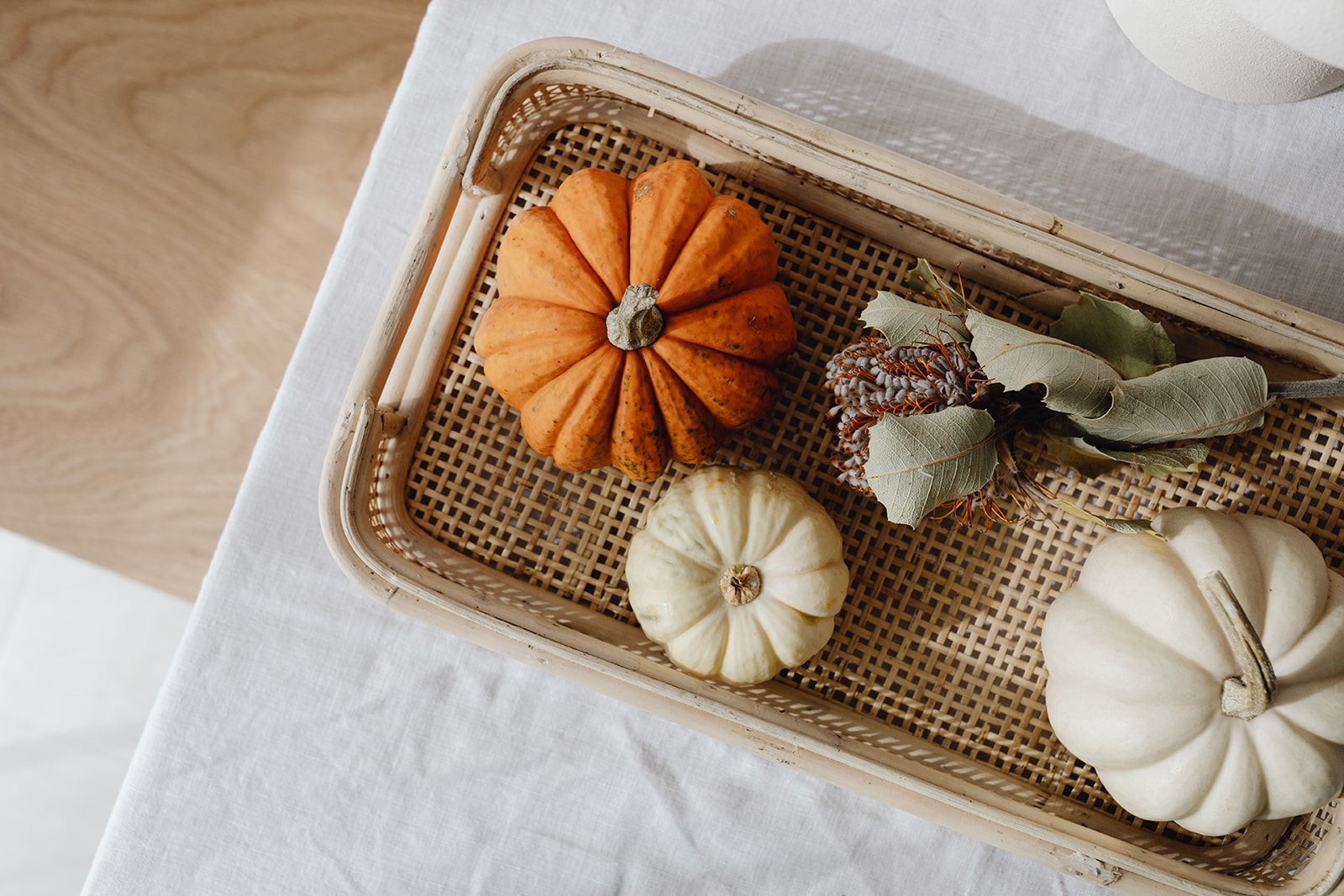
Though you might automatically think of lattes and Jack-o-lanterns, it’s in fact a seasonal favorite with more weight than just cultural tradition. Pumpkin is also also a nutritional powerhouse!
The orange squash is woven into the fabric of history and cuisine. It’s mentioned in literature, including Shakespeare’s reference to “pumpion” in The Merry Wives of Windsor and The Legend of Sleepy Hollow.
Native Americans roasted long strips of pumpkin over an open flame and ate them.
Colonists made pumpkin pie by slicing off the pumpkin top; removing the seeds; filling the rind with milk, spices, and honey; and then baking the pumpkin over hot ashes.
Pumpkin seeds are dried and salted to make a tasty snack.
And of course we can’t forget that the vibrant fruit (yes it’s a fruit! weird since we typically think of squash as a vegetable) is of course a staple in the Halloween decor department.
So in honor of October and pumpkin everything season, we’ll learn more about this seasonal favorite and the abundance of nutrients and its versatility in healthy meal preparation.
All About Pumpkin
A member of the Cucurbitaceae family (along with cucumber and squash), pumpkin is cultivated around the world for both its fleshy vibrant orange meat and seeds. It is a naturally low calorie (49 calories per one cup serving), yet full of filling fiber.
Health Benefits
- Pumpkin contains no saturated fats or cholesterol. It is rich in dietary fiber, antioxidants, minerals, and many antioxidant vitamins, including A, C, and E.
- It is also an excellent source of many natural polyphenolic flavonoid compounds such as beta-carotenes (which convert into vitamin A when activated in the body), lutein, and zeaxanthin (a natural antioxidant that may offer protection from age-related macular disease).
- Pumpkin is a good source of the B-complex group of vitamins including niacin, vitamin B-6 (pyridoxine), thiamin, and pantothenic acid.
- It is a rich source of copper, calcium, potassium, and phosphorus.
- Practically the whole fruit is edible. Pumpkin seeds provide dietary fiber and pack a powerful mix of protein, minerals, and vitamins: 100 g (1 cup) of pumpkin seeds provide 559 calories, 30 g of protein, plus folate, iron, niacin, selenium, and zinc.
Spiced Pumpkin Bread
Adapted from Bon Appétit Fast, Easy and Fresh cookbook
Yield: 2 loaves (cut ingredients in half for 1 loaf)
Preheat oven to 350°F
Butter and flour two 9x5x3 inch loaf pans
Ingredients:
- 1½ c. all-purpose flour (or gluten-free flour mix)
- 1½ c. whole wheat flour (or gluten-free flour mix)
- 1 tsp ground cloves
- 1 tsp ground cinnamon
- 1 tsp ground nutmeg
- 1 tsp baking soda
- ½ tsp salt
- ½ tsp baking powder
- 2 c. raw sugar (or raw honey)
- 1 c. sunflower oil
- 3 large eggs (room temp)
- 15 oz. (1 can) pure pumpkin (watch out for added sugar)
- 1 c. chopped walnuts (optional)
Directions:
Sift first eight ingredients into a large bowl. In second bowl, beat sugar and oil to blend, and then add eggs and pumpkin. Mix well. Stir dry ingredients into pumpkin mixture in two additions, just until blended. Add nuts, if you’re feeling nutty!
Divide between loaf pans. Bake approximately 1 hour 10 minutes, or until tester inserted into center comes out clean. Transfer to racks and cool in pans for 10 minutes. Cut around sides of pan with a knife to loosen. Turn loaves onto rack to cool, serve and enjoy!
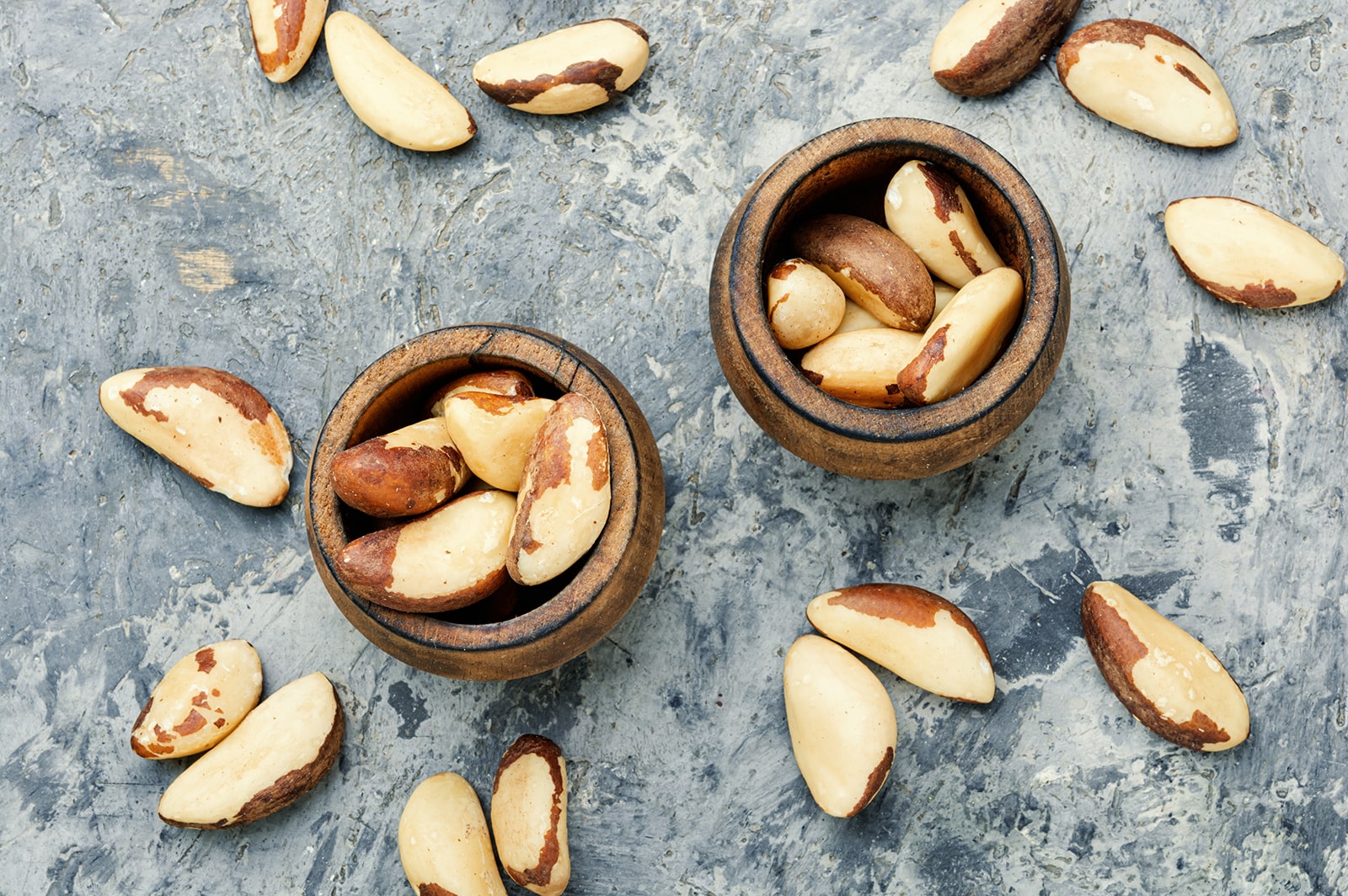
Brazil Nut Butter Recipe
Brazil Nuts
Brazil nuts are calorie and nutrient dense. High in mono- and polyunsaturated fats, including omega-6 fatty acids, a one-ounce (6-7 nuts) serving provides about 185 calories, 5 grams of protein, and a rich supply of magnesium, phosphorous, potassium, and selenium. In fact, Brazil nuts are the highest natural source of selenium (543 mcg in 1 oz.).
A potent micronutrient, scientific evidence to date suggests that selenium might play a role in the prevention or treatment of heart disease, cognitive decline, liver disease, some types of cancer, and thyroid disease. Selenium concentrations are highest in the thyroid gland, and it has a vital role in its function.
Just two Brazil nuts a day make it easy for most people to meet their daily selenium requirement. But it’s important to work with a clinical nutritionist to assess your individual need for selenium if you suspect a deficiency to ensure you’re getting the right amount.
Because it is possible to get too much selenium, The Institute of Medicine of the National Academy of Sciences advises a maximum limit of 45 mcg of selenium for kids and 400 mcg for adults daily. The best way to enjoy Brazil nuts is to combine a few with other types of nuts, seeds, and raisins. Sprinkle on salad, yogurt, or blend into a smoothie.
Brazil Nut Butter Recipe
Homemade nut butters is a great opportunity to enjoy these nutritious spreads without added sugar, salt, or preservatives often found in store-bought varieties.
Note: There is a 2 to 1 ratio of nuts to nut butter. To make 1 cup of nut butter, start with 2 cups of shelled nuts.
Ingredients:
- 2 cups organic raw nuts (feel free to mix it up, equal parts brazil, almond and cashew for example)
- Optional flavor add-ins (all to taste; opt for organic or locally sourced):
- Salt
- Stevia, local, raw honey, or grade A/B maple syrup
- Vanilla or almond extract
- Cocoa powder or cacao nibs*
- Puree of dried fruit or dried fruit bits* (apricot, raisin, cherry, cranberry)
*The former creates a smooth spread, the latter chunky.
Prep:
To make the nuts more digestible, soak and dehydrate the nuts to extract phytic acids (compounds that bind minerals). Before grinding, soak nuts in water and cover for 8-12 hours. Dehydrate about 10 hours.
(optional) To add a distinctive, warm flavor, toast the nuts before grinding. Toast nuts on a dry baking sheet at 400°F until nuts are fragrant and lightly browned, 5 to 10 minutes. Watch closely; nuts easily scorch. Nuts should be cool to the touch before grinding.
Equipment:
Food processor or high-speed blender (e.g., Vitamix).
Directions:
Place nuts into a food processor and start blending, leaving out the optional flavor add-ins. Blend for 11-12 minutes. You may need to grind at various speeds or intervals until you reach the consistency that meets your taste preferences. The nuts will go through several stages and you’ll need to keep pressing the contents into the center of the blender as you go through the process: The nuts will crumble, clump, ball, redistribute, and then finally … the oils will release, and you’ll have a nice spread.
Mix in your choice of flavor add-ins by hand. Nut butter keeps in the refrigerator for about a month.
Resources
- National Institutes of Health. “Selenium: Dietary Supplement Fact Sheet.” Accessed May 2015.
- National Institutes of Health. “Selenium: Fact Sheet for Consumers.” Accessed May 2015.
- Nutrition and You. “Brazil Nuts Nutrition Facts.” Accessed May 2015.
- Anton Health and Nutrition. “Homemade Nut Butter.“
- Radiant Life Company. “That’s Nuts! A Complete Guide to Soaking Nuts and Seeds.”

Healthy Hair, Skin, and Nails
Healthy Hair, Skin, and Nails: A Nutritional Approach
The condition of your hair, skin, and nails (AKA the integumentary system) are a reflection of your overall state of health. For example, they can be a diagnostic symptom when diagnosing thyroid deficiency since they share similar nutritional requirements. Aside from the aesthetic appeal, having thicker hair, stronger nails and bright, clear skin may actually be a sign that vitamin levels are sufficient for optimal biological function.
A variety of factors can affect their condition, including genetics, exposure to tobacco smoke, sun damage, medication and drug use, and of course, nutritional deficiencies. While eating a well-balanced diet is the best way to keep the integumentary system healthy, sometimes vitamins can be a helpful insurance policy. Vitamin supplementation can replenish depleted vitamin stores and support the biological processes that boost growth of hair, skin and nails while simultaneously helping to tame the symptoms of hypothyroidism.
Honestly, vitamin formulas for healthy hair, skin, and nails contain many of the same nutrients that your entire body needs for growth and maintenance of cells. That’s because if your body is deficient in key nutrients needed for biological function, it is reflected in poor the integumentary system health (weak nails, brittle hair, and dull skin, for example). When addressing Hair, skin, and nails specifically, we’re look at vitamins that support keratin production- a protein essential as a building block for the integumentary system- as well as supporting repair and regeneration of new cells.
Biotin & the mighty B vitamins
The B-complex (B12, B3, and B6) are vital for dozens of biological reactions, including for hair and skin growth. Biotin, also a B vitamin, is sometimes used to help reduce or prevent hair loss. Some people do not get enough biotin in their diet, resulting in a systemic deficiency. In such cases, research has shown taking biotin supplements may help alleviate hair thinning. Biotin-rich foods include peanut butter, eggs, avocados, legumes, and bananas.
Vitamin D
Vitamin D is important for hair follicle cycling. A large portion of the population reports low supoptimal vitamin D due to reduced sun exposure, use of sun block, reduced intake of certain Vit D rich foods, and geographical location (i.e. individuals who live in northern parts of the United States where sunlight is limited). Click here to read my blog on supplements, including vitamin D. Salmon, mushrooms, beef liver, and grains are great food sources of vitamin D.
Zinc
Zinc is a key trace mineral for hair growth, wound healing, healthy skin, and immune function. People who are under high stress, fighting chronic infection, elevated toxic load, sluggish thyroid or adrenal fatigue are at greater risk for zinc deficiency. Zinc-rich foods include red meat, oysters, lamb, turkey, pumpkin seeds, and chocolate.
Vitamins C
Vitamins C is a powerful water soluble antioxidant, helping reduce DNA and cellular damage and increase cell turnover (boosting growth!). It’s also a necessary component in collagen formation helping improve skin elasticity for more youthful appearance. Vitamin C rich foods include citrus fruits, strawberries, mango, broccoli, kale and bell peppers.
Vitamin E
Vitamins E is a powerful fat soluble antioxidant. Research has shown that it plays a major role in protecting cells from damage and supporting cellular regeneration- both of the integumentary system as well as for cardiovascular health. Good sources are seeds, dark green veggies, safflower oil, and citrus fruits.
Essential Fatty Acids
Omega-3 and omega-6 fats have been shown to reduce inflammation and support skin and scalp health. You can obtain essential fatty acids from eating cold-water fish such as mackerel, salmon, sardines, anchovies, tuna, pollock, or shrimp. However, these fish can contain high levels of heavy metals—which in turn can deplete your zinc stores (among other physiological stressors). Follow these guidelines for safer consumption. If you are averse to eating fish, or are vegan, flaxseed oil or algae oil are great alternatives.
Horsetail (Equisetum telmateia)
Horsetail is an herb with antibacterial properties as well as remineralizing effect. It is rich in flavonoids, potassium, and silicon, which are vital to the functioning of rapidly growing tissues such as skin and nails. It also has a key role in the synthesis of collagen.
Resources
- National Institutes of Health. Vitamin and Minerals Supplement Fact Sheets. Accessed May 2015.
- Szyszkowska, B., et al. “The Influence of Selected Ingredients of Dietary Supplements on Skin Condition.” Postȩpy Dermatologii i Alergologii 31, no. 3 (June 2014): 174–181.